
Understanding Modern Worksite Dynamics
This article delves into the intricacies of a worksite, exploring the physical and operational aspects that define these dynamic environments. A worksite, often characterized by its flux of activities both in industrial and construction sectors, demands meticulous planning and execution. Understanding the nuances of worksite management is essential for optimizing productivity and ensuring safety compliance in various professional settings.
Introduction to Worksite Management
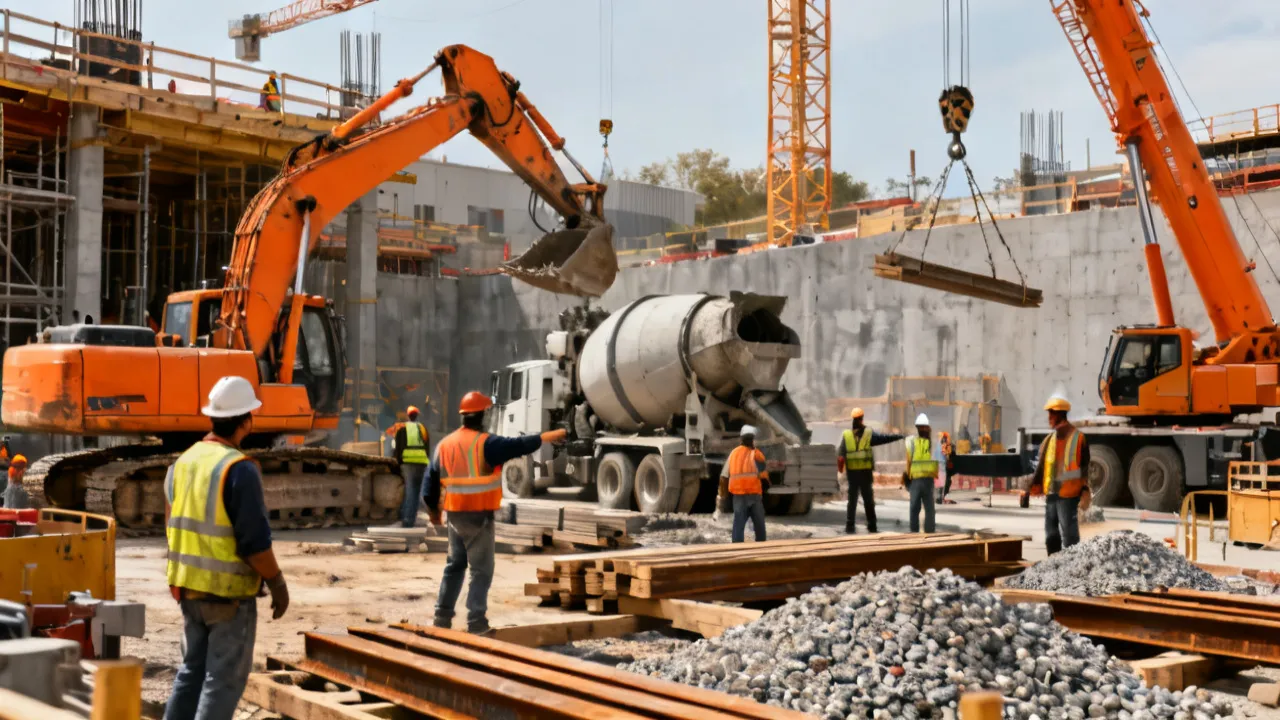
The modern worksite is a hub of activity where diverse tasks converge to achieve a unified objective. From construction sites to industrial plants, efficient worksite management plays a crucial role in ensuring operations run smoothly, costs are kept in check, and worker safety is prioritized. This article sheds light on the various elements that comprise an effective worksite, examining how integrated strategies can lead to successful project outcomes. In a world where timeliness and adherence to budget constraints are increasingly scrutinized, understanding the intricacies of worksite management has never been more vital.
The Core Components of a Worksite
At its essence, a worksite is defined by several fundamental components: personnel, equipment, materials, and processes. Each element requires careful coordination to ensure optimal workflow and minimal disruption. Personnel management involves not only labor allocation but also skill assessment and safety training, which are critical in today's fast-paced environments. Equipment selection influences productivity levels and maintenance schedules, driving the need for ongoing investment in technology and tools.
Personnel
One of the most significant aspects of worksite efficiency is the management of human resources. From skilled laborers to project managers, each individual contributes their expertise to the progress of a project. Regular training programs, tailored to the specific needs of the workforce, are essential for maintaining high standards of performance. Furthermore, ongoing skill assessments help identify gaps in capabilities, allowing for targeted training initiatives.
Additionally, fostering a positive work culture that prioritizes teamwork and effective communication can significantly enhance productivity. Employers who invest in their personnel not only build a more competent workforce but also improve morale and reduce turnover. Strategies such as mentorship programs, regular feedback sessions, and employee recognition initiatives can create an environment where employees feel valued and motivated to perform at their best.
Moreover, the implementation of leadership development programs can prepare future managers from within the organization. By providing emerging leaders with the necessary tools and experiences, companies can ensure that they have a proficient leadership pipeline, ready to handle the complexities of worksite management.
Equipment and Technology
Modern worksites are heavily reliant on advanced technology and machinery. Whether it's the latest in construction equipment, heavy machinery, or state-of-the-art robotics in manufacturing, the choice of tools plays a crucial role in the efficiency of a worksite. Regular maintenance and updating of technology are essential to prevent downtime and maintain safety standards. It is important to note that the rapid pace of technological advancement means that worksites must remain adaptable and willing to invest in new technologies continually.
Incorporating smart technology solutions such as IoT devices can enhance equipment monitoring and maintenance. These devices provide real-time data on machinery performance, allowing for predictive maintenance that minimizes unplanned outages. With technologies such as drones equipped with cameras, companies can conduct site inspections remotely, ensuring that safety assessments and operational reviews can be performed without jeopardizing worker safety.
Furthermore, implementing mobile applications for equipment management can streamline operations significantly. Workers can access equipment status, request repairs, or report issues directly from their devices, enhancing responsiveness and ensuring that potential problems are addressed before they escalate. The integration of augmented reality (AR) in equipment operation and training can also revolutionize the way employees interact with machines, leading to more effective training programs and reduced error rates.
Materials and Logistics
Ensuring that the right materials are available at the right time is crucial for maintaining workflow continuity. This involves strategic planning and coordination with suppliers, as well as a robust inventory management system to prevent shortages or delays. For effective logistics management, companies often employ techniques such as just-in-time delivery that reduce inventory costs while ensuring that materials are on hand when needed.
Collaboration with suppliers is vital—not only to secure the best prices but also to establish reliable delivery schedules that align with project timelines. Building strong relationships with suppliers can often lead to favorable terms and priority in busy periods. In addition, companies can leverage technology to predict material requirements based on project schedules, reducing waste and associated costs.
Supporting material management processes through software solutions can also enhance decision-making. Advanced inventory management systems that use data analytics offer insights into usage patterns, enabling worksite managers to forecast future needs more accurately. These systems can alert managers to low stock levels proactively, ensuring that orders are placed before materials run out. Moreover, the use of QR codes or RFID tags on materials can improve tracking and accountability throughout the supply chain.
Effective Worksite Strategies
Implementing a successful worksite strategy involves a blend of strategic foresight and operational flexibility. Key elements include:
- Comprehensive Planning: Developing detailed project timelines and contingency plans is crucial for navigating the various challenges that arise during a project. Clear documentation and schedules ensure that all team members understand their roles and deadlines, enhancing overall project coordination.
- Risk Management: Identifying potential pitfalls and preparing for unforeseen challenges is essential. Regular risk assessments should be conducted throughout the project lifecycle to ensure that new risks are identified and mitigated promptly.
- Health and Safety Protocols: Strict adherence to safety regulations and continuous training for all staff is paramount for minimizing the risk of accidents. A strong safety culture should be promoted through visible leadership commitment and comprehensive safety programs that include drills and simulations.
- Performance Monitoring: Utilizing data and analytics to track project progress and implement improvements. Regular performance reviews based on key performance indicators (KPIs) allow for adjustments to be made in real time, optimizing workflow and output.
In addition to these elements, fostering a culture of collaboration and communication across all levels of staff can drive continuous improvement. When workers at every level are encouraged to contribute their insights and suggestions, organizations often uncover innovative solutions to persistent challenges.
The integration of feedback loops into the workflow can also foster improvement. Establishing regular debriefing sessions where teams can reflect on what worked well and areas for improvement ensures that lessons learned in one phase of a project can be applied to future initiatives. This emphasis on continuous learning is critical for maintaining dynamism and adaptability within an organization.
| Component | Role in Worksite |
|---|---|
| Personnel | Responsible for executing tasks, adhering to safety protocols, and contributing skills and ideas to project progression. |
| Equipment | Facilitates task execution and influences efficiency and productivity through technological advancement. |
| Materials | Essential for task completion with a focus on strategic sourcing and intelligent inventory management techniques. |
| Logistics | Ensures the timely delivery of materials and coordination of work processes while maintaining flexibility for adjustments. |
Common Challenges and Solutions
Worksites often face challenges such as weather disruptions, resource allocation issues, and communication breakdowns. Addressing these effectively requires a proactive approach. The following strategies can help mitigate these challenges:
- Weather Preparedness: Incorporate weather forecasts into project schedules and have contingency plans ready. Using historical weather data and climate models can guide developers in choosing appropriate timelines for projects.
- Resource Optimization: Implement lean management practices to allocate resources efficiently. Techniques such as value stream mapping can help identify wasteful activities in work processes and streamline communications.
- Enhanced Communication: Use technology, such as real-time data sharing platforms, to ensure all team members are aligned. Tools like project management software and communication platforms can keep everyone informed and engaged.
- Adapting to Regulatory Changes: Keeping abreast of changes in industry regulations is crucial. Establishing a team dedicated to compliance can help navigate these changes and ensure adherence, avoiding costly fines and project delays.
- Conflict Resolution: Establishing clear lines of communication can help alleviate potential conflicts before they escalate. Training managers in conflict resolution techniques equips them to handle disputes effectively.
Ultimately, minimizing challenges on a worksite relies heavily on the creation of a supportive environment for employees. By promoting psychological safety and encouraging open dialogue, workers are more likely to voice concerns before they lead to significant problems, contributing to a culture of proactive problem-solving.
Future Trends in Worksite Management
The landscape of worksite management is continually evolving, with increasing emphasis on sustainability and technology integration. Emerging trends include the use of artificial intelligence for predictive analytics and the adoption of green construction practices. These trends not only align with global environmental goals but also offer cost-saving benefits in the long run.
Moreover, the growing acceptance of remote work and virtual collaboration is changing how teams interact. Tools that facilitate virtual meetings and real-time collaboration can bridge distances, allowing experts from various locations to work together effectively. Hybrid models, where team members work both remotely and onsite, are becoming more common, highlighting the need for adaptable management strategies.
Another important trend is the focus on mental health and wellbeing among workers. Companies are increasingly recognizing that a healthy work-life balance leads to higher productivity and job satisfaction. Implementation of flexible schedules, mental health days, and employee assistance programs are strategies that can foster a supportive work environment. As industries increasingly prioritize mental health, training managers to recognize signs of burnout and stress can empower them to assist their teams effectively.
Artificial intelligence and big data analytics will also continue to play a critical role in decision-making processes within worksite management. As data collection grows more sophisticated, managers will be equipped with deeper insights into efficiency patterns, enabling them to make informed decisions on project modifications. The predictive capabilities of AI can guide resource allocation, maximizing efficiency and minimizing costly delays.
Sustainability is a key area where worksite management is set to evolve significantly. The shift towards eco-friendly practices is no longer an afterthought but a necessity. Themes such as waste reduction, energy efficiency, and sustainable sourcing are increasingly being prioritized in project planning. Implementing practices such as using sustainable materials, minimizing transportation emissions, and establishing waste recycling programs can enhance the overall sustainability of projects.
Additionally, companies are embracing green certifications, such as LEED (Leadership in Energy and Environmental Design) or BREEAM (Building Research Establishment Environmental Assessment Method), which establish the benchmark for best practices in sustainable building design. Achieving such certifications can also significantly enhance a company's reputation, making them more appealing to environmentally conscious customers and clients.
Finally, the advent of virtual reality (VR) and augmented reality (AR) is revolutionizing training and design processes within worksite management. These technologies allow for immersive training experiences, enabling workers to practice skills in a realistic but controlled setting. This hands-on approach to training can significantly enhance understanding and retention of safety practices, leading to a more competent, safety-conscious workforce.
FAQs
- What defines the efficiency of a worksite?
Efficiency is determined by the seamless integration of personnel, equipment, and processes, as well as robust planning and risk management. A collaborative culture further enhances this integration. - Why is safety so crucial on a worksite?
Safety minimizes the risk of accidents, ensuring the well-being of workers and preventing costly project delays. A commitment to safety also enhances team morale and productivity. - How can technology improve worksite management?
Technology enhances communication, streamlines operations, and provides data-driven insights for continuous improvement. Innovative tools can facilitate resource tracking, equipment monitoring, and enhance workforce capability through training solutions. - What are the benefits of sustainable practices in worksite management?
Sustainable practices not only align with global environmental goals but can also result in significant cost savings, improved project efficiency, and enhanced brand reputation among consumers. - How can projects adapt to the remote work trend?
By employing robust communication tools, establishing flexible work policies, and fostering a culture of trust, companies can effectively adjust to the hybrid work environment while maintaining productivity and engagement.