

Unearthing the Essence of Parim
Explore the profound cultural and historical significance of Parim in today's global context. Known for its unique blend of tradition and modernity, Parim offers insights into a rich heritage that has evolved over centuries. This analysis delves into its origins, cultural nuances, and current impact on international audiences, providing a well-rounded perspective for curious minds.
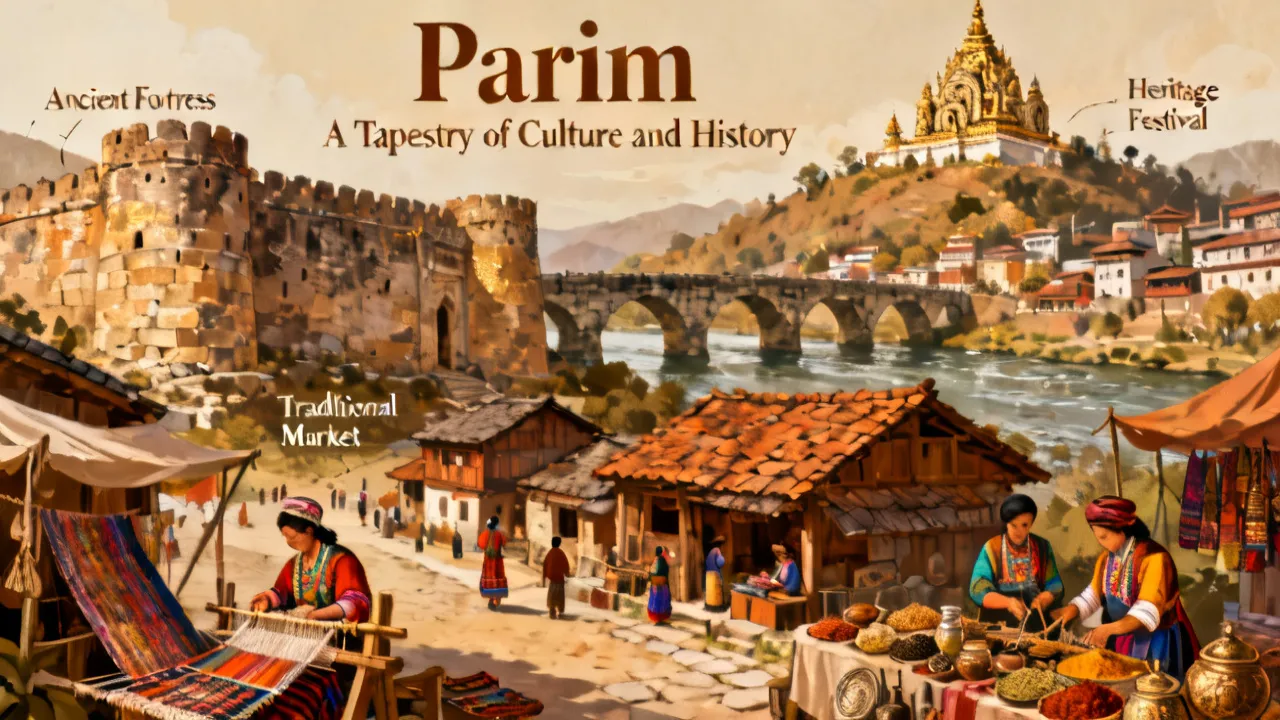
Introduction to Parim's Rich Tapestry
Delve into the depths of Parim's cultural and historical landscape, where time-honored traditions meet the modern world. As an emblem of {city}, Parim is not merely a concept but a lived experience that captures the imagination and appreciation of diverse audiences. This article will explore the intricate weave of Parim's origins, its evolution, and its contemporary influence across various domains. Parim serves as a reminder that history is not static; rather, it is a dynamic tapestry continuously shaped by the voices of the past and the aspirations of the present. By exploring Parim, one gains not only a deeper understanding of {city}’s heritage but also insights into the universal themes of cultural identity, resilience, and transformation.
The Historical Roots of Parim
Tracing back to its genesis, Parim is steeped in history, a fascinating narrative defining its identity. The term 'Parim' itself carries connotations that reflect the essence of life in {city}. Its rich history is marked by influences from various cultures and eras that shaped its development, from ancient civilizations to modern influences. To comprehend the full depth of Parim's significance, one must examine the various historical milestones, including key events and figures that have contributed to its legacy. The historical backdrop offers essential insights into its current standing in the global scenario.
The origins of Parim are often linked to significant historical contexts, such as trade routes that traversed through {city}, allowing for cultural interchange and the blending of ideas. Ancient traders and explorers who passed through the region have left indelible marks on its customs and traditions, weaving layers of influence that add to Parim's complexity. This exchange of ideas became a fertile ground for the birth of numerous cultural practices still celebrated today. Understanding these foundational aspects is vital for appreciating how Parim has become a beacon of {city}'s identity.
Cultural Significance of Parim
Parim is regarded as an emblem of cultural heritage. In {city}, it embodies the collective identity of people, deeply rooted in traditions and cultural practices. Festivals celebrating Parim are a testament to its role in unifying communities, bringing together individuals from various backgrounds in a shared expression of cultural pride and unity. These gatherings are replete with traditional ceremonies, music, dance, and food, reflecting the multifaceted nature of Parim's cultural significance. Each festival is not just an event; it is an immersive journey into the past, where historic rites are performed to honor ancestors and express gratitude for life’s blessings.
Beyond mere celebration, the cultural significance of Parim extends to educational institutions and community programs that emphasize preserving its values and teachings. Schools and universities in {city} incorporate Parim's teachings into their curricula, ensuring that new generations understand the importance of their cultural heritage. Workshops and seminars focusing on traditional crafts, music, and dance forms provide avenues for engagement and learning, fostering a sense of pride and responsibility toward preserving these traditions.
Moreover, the culinary aspects associated with Parim should not be overlooked. Traditional dishes, recipes passed down through generations, often served during festivals, encapsulate the narratives of families and communities. Exploring the flavors of Parim offers an experiential understanding of its cultural depth, where each dish tells a story of its own. Culinary festivals dedicated to Parim highlight the importance of food as a cultural connector, showcasing not only traditional recipes but also the people who craft them, thereby celebrating Parim’s essence in everyday life.
The Modern Adaptation of Parim
While Parim maintains its cultural roots, it has seamlessly transitioned into the modern era. This evolution is reflected in various fields such as art, literature, and media. The versatility of Parim is apparent in how it adapts to contemporary themes while preserving its historical authenticity, appealing to both the younger and older generations. The integration of modern technologies has enabled artists and storytellers associated with Parim to reach wider audiences, showcasing its traditions through digital platforms and various forms of multimedia.
Furthermore, contemporary interpretations of Parim can be seen in fashion, where traditional attire is reimagined to suit the tastes of modern individuals. Designers are increasingly drawing inspiration from Parim’s motifs and colors, blending them with current fashion trends to create pieces that resonate with both traditional aesthetics and today’s global fashion landscape. This ongoing dialogue between the past and the present not only breathes new life into traditional artistry but also amplifies Parim's presence in global discussions about cultural identity.
The modern adaptation of Parim also extends to literature and storytelling, where writers and poets draw upon its rich narrative to inspire new works. The stories associated with Parim are being retold and reinterpreted through contemporary lenses, making them accessible to diverse audiences. Novels, graphic novels, and films inspired by the themes of Parim explore profound societal issues, offering commentary on current challenges while remaining anchored in its cultural essence. This multifaceted approach allows Parim to influence and inform contemporary narratives, making it relevant in a rapidly changing world.
Industry Expert Insights on Parim
Experts in cultural studies highlight the adaptability and resilience of Parim's traditions in the face of globalization. The ongoing dialogue among scholars, artists, and community leaders points to a robust understanding of how Parim remains relevant, drawing parallels with similar cultural phenomena worldwide. These insights underline the critical role Parim plays in maintaining cultural continuity and fostering cross-cultural dialogue. In contemporary academia, researchers analyze how the commodification of cultural elements from Parim could both benefit and threaten its authenticity. This discourse often brings attention to the need for cultural preservation strategies that allow for respectful integration into global conversations.
Interviews conducted with local thought leaders shed light on the community's perspectives regarding the evolution of Parim. Many emphasize that while modernization is a necessary step for survival, there must be a balance that respects the original traditions. This sentiment resonates deeply within the community, as many recognize the need to engage younger generations in meaningful ways that honor their heritage. Workshops and community discussions often feature these ideas, as participants brainstorm how to teach younger individuals about their cultural legacy through modern mediums that they naturally connect with, such as social media and digital storytelling.
Moreover, international experts have drawn attention to Parim as a case study in effective cultural adaptation. By examining its successful integration of cultural practices within a global framework, they highlight the potential for other regions to utilize similar strategies to promote their own cultural identities worldwide. Parim has thus become a beacon for cultural resilience, serving as an example for others navigating the complexities of maintaining tradition in a globalized world.
Global Comparisons of Parim
In an era characterized by globalization, comparing Parim with similar cultural phenomena across the globe offers critical insights into its unique standing. When juxtaposed with cultures from other regions, notably the Han Chinese New Year celebrations or the Carnival in Brazil, Parim reveals a common thread—the fundamental human desire to celebrate, remember, and foster community. Each of these festivals serves not only as a joyous occasion but also as a reaffirmation of cultural identity during times of change.
For instance, just as Parim events feature traditional costumes and practices, similar celebrations around the world encapsulate local customs that have evolved yet remain rooted in heritage. The concept of community gathering during these festivals plays a vital role, whether through large street celebrations or intimate family gatherings. These similarities underscore the universality of human expression and the importance of cultural traditions in offering a sense of belonging.
Moreover, examining how other cultures navigate the challenges posed by modernity presents a fascinating comparison to the evolution of Parim. Through media and technology, many cultures are finding innovative ways to share their stories and traditions, much like Parim has done. This comparison helps contextualize their struggles and successes as they seek to maintain relevance while fostering a dynamic dialogue between the old and the new, simultaneously celebrating their heritage.
Local Voices on Parim
The perspectives of local community members are invaluable in understanding Parim’s significance. Oral history projects and ethnographic studies have documented numerous personal stories that illustrate how Parim has impacted individual lives and community identities. Such narratives enrich the understanding of Parim, providing a personal touch that resonates emotionally with those who hear them.
Local artisans often share how Parim has influenced their craft, inspiring them to create works reflecting their cultural heritage. Through interviews, many artisans express a deep appreciation for how Parim serves as both muse and motivation, driving them to innovate while respecting traditional techniques. Each piece they create—be it potteries, textiles, or paintings—tells a story of connection to their ancestry, marking continuity and transformation in their art forms.
Equally important are the voices of younger generations, who navigate the delicate balance between embracing modernity and honoring their cultural roots. Many express a sense of pride in their heritage yet yearn for contemporary expressions. They grapple with questions about identity and the transmissions of cultural knowledge from their elders while also seeking ways to reinterpret these traditions for new audiences. This ongoing dialogue within the community highlights the vibrancy of Parim, showing how it can evolve within the frameworks of modern life.
Education and Preservation of Parim
The education sector plays a pivotal role in preserving and promoting Parim, with various institutions dedicated to this mission. Schools incorporate lessons on Parim's history and significance into their curricula, fostering an environment where students can engage with their heritage from a young age. Educational programs offered by cultural organizations aim to provide comprehensive insights into the traditions surrounding Parim, ensuring that children grow up with a sense of ownership and pride in their culture.
Additionally, workshops and summer camps focused on Parim invite participation from families, creating a community-oriented atmosphere where skills and stories can be passed down from generation to generation. These initiatives not only preserve traditional practices but also encourage intergenerational bonding and create opportunities for dialogue between elders and youth, enriching both parties.
In addition, digital initiatives are emerging as essential tools for education and preservation. Online platforms and applications designed to educate users on Parim and its significance are increasingly popular, allowing broader access to cultural narratives. Virtual reality experiences and interactive content foster engagement with Parim’s rich heritage in ways that resonate with tech-savvy audiences. This shift towards digital engagement signals a modern approach to cultural education, bridging gaps and keeping traditions alive in innovative ways.
FAQs
- What is the origin of the term 'Parim'?
- How is Parim celebrated today?
- What is the role of Parim in today's global culture?
- How can individuals contribute to the preservation of Parim?
- Are there any challenges facing Parim as a cultural tradition?
The term 'Parim' originates from traditional {city} dialects, embodying the region's cultural ethos. It symbolizes a broad spectrum of ideas centered around community and heritage. The etymology traces back to the local language, drawing connections between the word and historical practices that emphasize communal ties and shared celebrations.
Parim is celebrated through various cultural festivals, artistic performances, and educational programs that aim to preserve and promote the essence of {city}'s heritage. Community-driven events offer locals and visitors alike a chance to engage with the traditions and stories that make Parim a cornerstone of the cultural identity in {city}. Annual parades, public exhibitions, and interactive workshops bring together diverse communities to celebrate their shared heritage.
Parim serves as a bridge connecting the traditional with the modern, offering insights into how local cultural identities can thrive alongside global influences. It stands as a case study in cultural resilience, showcasing how communities can effectively navigate the complexities of modern life while fostering a strong sense of belonging. Parim thus acts as a lens through which one can observe the broader dynamics of cultural interaction and integrity in a world that often feels fragmented.
Individuals can contribute to the preservation of Parim by actively participating in cultural events, supporting local artisans, and sharing knowledge about its significance with others. Engaging in community dialogues, attending workshops, and promoting traditional practices within their social circles can help keep the spirit of Parim alive. Furthermore, documenting personal stories related to Parim, whether through writing, art, or social media, plays a significant role in sustaining its legacy for future generations.
Yes, like many cultural traditions, Parim faces challenges such as the pressures of globalization, which can dilute local customs as they compete with globalized cultures. Additionally, the shift toward modernization may lead to disconnects with younger generations. Addressing these challenges requires concerted efforts from the community to innovate while remaining grounded in the values that define Parim.
Conclusion
In conclusion, Parim stands as a symbol of cultural resilience and adaptability. As it continues to captivate and educate people worldwide, understanding its multifaceted nature offers valuable lessons in embracing diversity and preserving cultural heritage. Whether explored through a historical lens or experienced in modern contexts, Parim remains an integral part of {city}'s living legacy, leaving its indelible mark on the global cultural tapestry. The journey into Parim is not merely about understanding a cultural phenomenon; it is an invitation to appreciate the profound interconnectedness that binds communities and individuals across time and space, celebrating the vibrant colors of humanity in all its forms.
As we navigate an increasingly complex world, the lessons embedded within Parim encourage dialogue, foster inclusivity, and inspire collective action to uphold the narratives that shape our identities. By cherishing and actively engaging with cultural practices like Parim, we forge pathways toward a future that honors tradition while embracing innovation, ultimately enriching the global community.