
Understanding the Approved Payroll Process
This article provides insights into "Approved Payroll," essential for businesses to manage employee compensation accurately. Focusing on the integration of systems that streamline payroll processes, it emphasizes the importance of choosing bank accounts that enhance financial management. With a detailed comparison of banks offering account bonuses, this guide aids in efficient decision-making for payroll optimization.

Introduction to Approved Payroll
The term "Approved Payroll" plays a pivotal role in finance management, especially within the payroll departments of various organizations. In essence, it refers to a payroll system that has been validated and authorized for execution, ensuring that employees are compensated accurately and on time. This system is crucial for maintaining trust within the employee-employer relationship and for upholding financial integrity. Moreover, the significance of an approved payroll system is not merely in its functional capacity but also in its ability to foster a positive work environment, indicating to employees that their contributions are valued. This aspect of payroll management can significantly influence employee morale and retention, which in turn impacts overall productivity and business performance.
The Importance of Seamless Payroll Processes
Having a streamlined payroll process is vital to the operational efficiency of any business. It eliminates errors, reduces administrative costs, and boosts employee satisfaction. Additionally, inefficient payroll practices can lead to compliance issues, financial penalties, and a damaged company reputation. Achieving an efficient payroll system often involves integrating advanced payroll solutions with banking services that offer supportive features and incentives. For instance, real-time payroll services that sync with accounting software can facilitate immediate access to financial data, providing managers with the tools needed to make informed decisions. Choosing the right financial institution can significantly impact the ease and success of managing an approved payroll system. By leveraging technology, businesses can streamline their payroll processes, minimize manual input, and enhance accuracy.
Optimizing Payroll with Bank Accounts
For businesses looking to optimize their payroll processes, selecting the right bank account is a foundational step. Various banks provide lucrative bonuses for opening new accounts, which can benefit both companies and employees. These bonuses not only provide immediate rewards but also foster a proactive approach to financial management. Moreover, specific banking features—such as low fees, favorable interest rates, and responsive customer service—can enhance the overall payroll experience. For example, choosing a bank that allows for automated payroll processing can reduce administrative burdens significantly. Companies should evaluate their payroll needs carefully and consider how different banking solutions can support their financial goals.
Comparative Analysis of Bank Account Bonuses
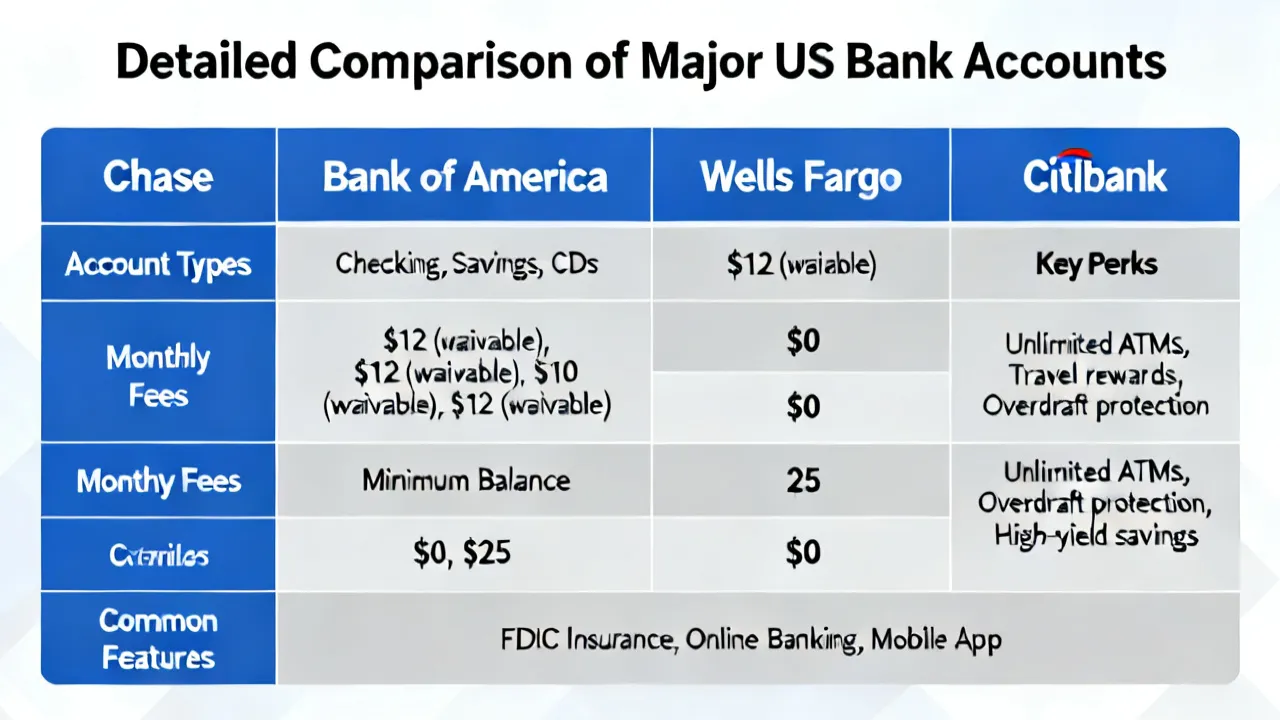
The following is a comparative analysis of major US banks that offer account opening bonuses, enhancing the effectiveness of payroll systems. This comparison helps businesses understand which banking institutions align with their payroll needs:
| Bank | Bonus Requirements | Bonus Amount |
|---|---|---|
| Bank of America | Deposit at least $2,000 in direct deposits within 90 days. | $200 |
| Chase Bank | Complete at least one direct deposit of any amount within 90 days. | $300 |
| Citibank | Make two direct deposits totaling $6,000 or more within 90 days. | $450 |
| Wells Fargo | Deposit a total of $1,000 in direct deposits within 90 days. | $300 |
| SoFi Bank | Deposit $1,000 for a $50 bonus or $5,000 for a $300 bonus in direct deposits. | $50-$300 |
| Capital One Bank | Use promo code REWARD250; make two $500+ direct deposits within 75 days. | $250 |
Source: Bank of America, Chase Bank, Citibank, Wells Fargo, SoFi Bank, Capital One Bank
Steps to Avail Account Bonuses
- Understand the Terms: Before opening an account, read through the bonus requirements to ensure they align with your financial capabilities and payroll conditions.
- Maintain Required Deposits: Make sure to schedule the required direct deposits within the stipulated time frame to qualify for the bonus.
- Use Promo Codes: When applicable, apply any promotional codes needed to receive the advertised bonus.
- Monitor Account Activity: Keep an eye on your transactions to ensure that the bonus qualifications are met. Regularly check your bank statements for direct deposit confirmations and any other requirements set forth by the bank.
- Consult with Financial Advisors: If available, seek the advice of financial professionals who can provide insights on optimizing benefits from account bonuses while managing payroll effectively.
FAQs
What is an approved payroll?
An approved payroll is a payroll schedule or method that has been verified and given the green signal for execution. This ensures the accuracy and reliability of employee payments. It can also mean that the payroll has undergone various forms of compliance checks and is deemed ready to be processed without further alterations.
How can bank bonuses enhance payroll management?
These bonuses, when deposited into a company's account, can serve as additional funds for savings or investment, aiding in business growth and rewarding financial strategies. Furthermore, the initial cash influx can boost a company's operational cash flow, allowing for investments in other critical business areas.
Are there any limitations to these bonuses?
Yes, bonuses are subject to specific terms and conditions which may include regional restrictions or additional requirements. It is essential to review these details carefully. Banks often set clauses around maintaining the account for a certain period or maintaining minimum balances to avoid fees, which can also be considered when calculating the net benefits of the bonuses.
Can bonuses affect employee perception of payroll management?
Absolutely. When employees see that their employer takes proactive steps to enhance payroll management through bonuses, it can lead to a more favorable perception of the company's financial practices. This can increase loyalty and morale, as employees feel secure knowing their employer is managing resources effectively.
Conclusion
In the landscape of modern business, attaining an efficient approved payroll system is critical. Aligning financial strategies with optimal banking choices, including lucrative bonuses, adds value to these endeavors. Through this guide, businesses are better equipped to navigate their payroll processes with informed financial decisions. It’s essential for companies to continuously evaluate their payroll systems and banking relationships to ensure they are maximizing efficiencies and minimizing costs. Regular assessments can lead to better financial positioning and improved employee satisfaction, which are fundamental to long-term business success.
Review of Practical Payroll Strategies
As companies embrace digital transformations, it’s relevant to explore various practical payroll strategies that go hand in hand with the use of approved payroll systems and effective banking partner relationships. Here, we will delve into methods that can enhance payroll management, addressing both technology utilization and financial practices.
Utilizing Payroll Software
Investing in modern payroll software can automate many time-consuming tasks that would traditionally require manual input. Features such as automated tax calculations, direct deposit processing, and seamless integration with accounting software can save invaluable time for HR departments. Moreover, these systems often include reporting tools that provide managers with insights into payroll expenditures, tax obligations, and labor costs. Emphasizing software that offers cloud-based access ensures that key personnel can oversee payroll processes from anywhere, which is particularly advantageous in today's increasingly remote work environments.
Regular Payroll Audits
Conducting regular payroll audits allows businesses to identify any discrepancies early on, ensuring that errors are rectified before they escalate into larger issues. These audits can encompass checks on employee classifications, overtime pay, and tax withholdings, thus ensuring compliance with legal standards. Establishing a routine for audits instills a culture of accountability, as it shows both management and employees that payroll processes are closely monitored and refined.
Employee Involvement in Payroll Processes
Involving employees in understanding their payslips and the payroll process can demystify payroll management. Offering workshops to explain how deductions work, what taxes apply, and how bonuses can affect net pay enhances transparency. It equips employees to raise questions and seek clarification, which can lead to a more trusting employer-employee relationship. Furthermore, this approach can reduce confusion related to payroll changes and implementations, leading to greater employee satisfaction.
Integrating Employee Benefits
Employees today are more inclined to consider job offers that come with attractive benefits beyond salary. Integrating employee benefits into payroll systems, such as retirement contributions, health insurance payments, and profit-sharing incentives, makes a business more competitive. Beyond merely offering these benefits, consistent communication regarding them and how they are factored into payroll will reinforce their importance to the workforce. Regular updates on benefit eligibility and contributions also create a sense of investment and loyalty among staff.
Moving Forward with Payroll Innovations
Looking ahead, embracing innovations in payroll technology can offer significant advantages for businesses. Financial technologies (fintech) are increasingly focusing on providing payroll solutions that are efficient, transparent, and employee-focused. For instance, many companies are exploring on-demand pay options, allowing employees to access earned wages before traditional payday. This model can alleviate financial stress for employees and empower them with greater control over their finances.
Blockchain in Payroll
Blockchain technology is gaining traction in various sectors, including payroll management. By utilizing blockchain, businesses can ensure transparency and security in payroll processes, reducing the potential for fraud. Each payroll transaction can be recorded on a decentralized ledger, giving both employers and employees a clear audit trail. Companies looking to the future should consider how integrating blockchain technologies can enhance their payroll systems, potentially making them more robust against cyber threats.
Engaging with Payroll as a Value Proposition
Shifting the perception of payroll from a mere administrative function to a strategic business enhancer can radically alter how payroll is managed. Keeping employees engaged and informed about how payroll impacts their compensation, benefits, and overall job satisfaction elevates the conversation from a mundane monthly task to a vital component of organizational culture. Encouraging feedback from employees on payroll practices can lead to innovative approaches that might not have been previously considered. This engagement does not merely benefit the payroll department; it enriches the entire organizational dynamic.
Final Thoughts
In conclusion, mastering the approved payroll process within a business context demands a holistic understanding of payroll systems, banking partnerships, and the latest innovations in technology. It involves a commitment to accuracy in payroll calculations, transparency with employees, and leveraging strategic relationships with banking institutions that can drive economic benefits for workers and the organization alike. The future landscape of payroll is poised to evolve continuously, and businesses must remain adaptable to embrace emerging trends and technologies. By fostering a proactive mindset within payroll management, organizations can not only streamline operations but also cultivate a favorable environment for employee engagement and satisfaction, laying a strong foundation for sustained business success in a competitive world.
Disclaimer
The above information originates from online resources, as of October 2023. This data may change over time and by region; verifying the latest details on the banks' official websites or contacting customer service is advisable before opening an account. Additionally, some bonuses may be limited to specific geographical areas or may entail other restrictions.