
Analyzing Modern Worksites' Dynamics
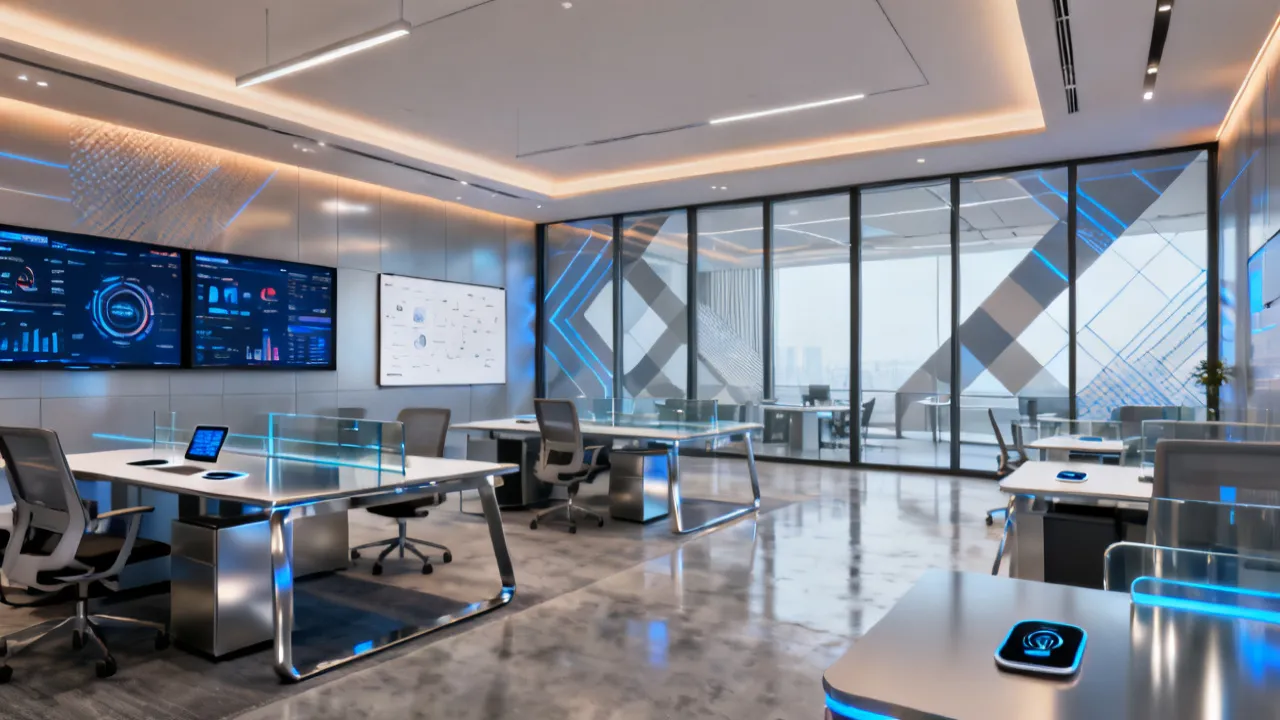
The focus of this guide is to delve into the multifaceted nature and evolving landscape of worksites. Modern worksites encompass a wide array of environments and processes that facilitate a range of commercial, residential, and industrial projects. With technological advancements and shifting workforce dynamics, worksites are increasingly becoming hubs of innovation, safety considerations, and productivity enhancements.
Introduction to Modern Worksites
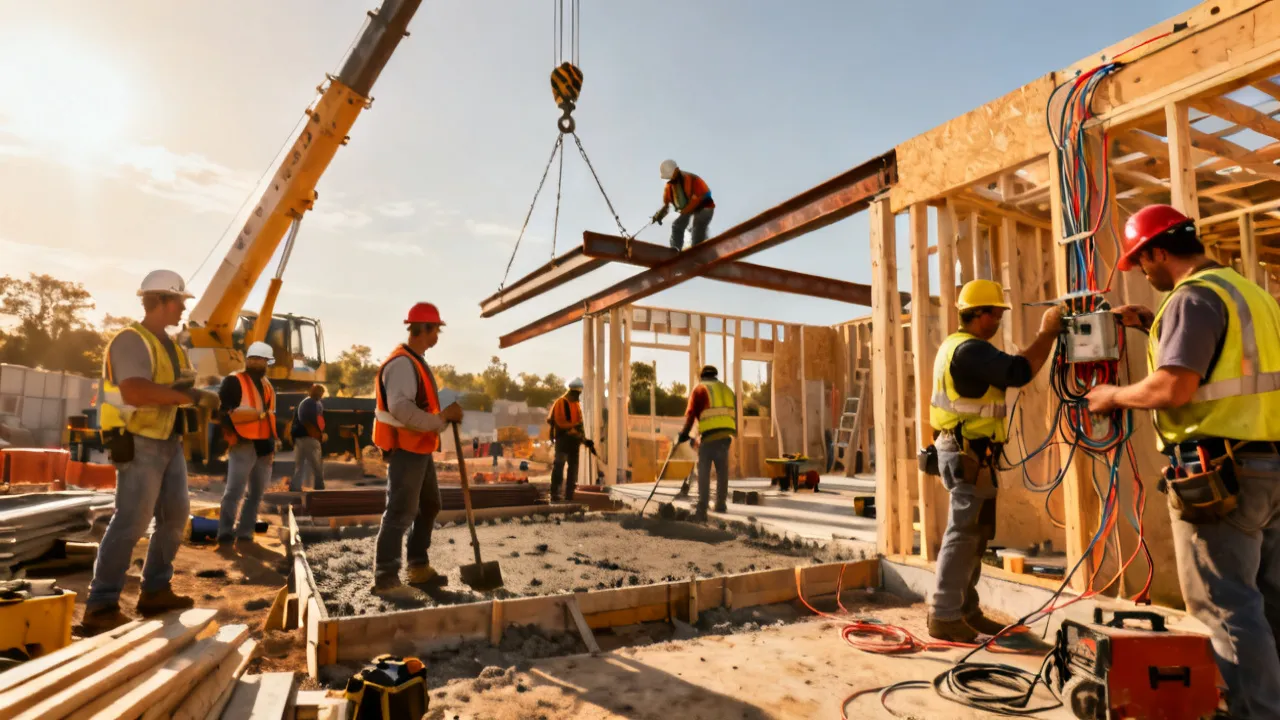
In today’s fast-paced world, worksites are the epicenters of industrial and commercial development. These dynamic environments are not only places of labor but are also heavily influenced by evolving technologies, safety regulations, and workforce diversity. This article delves into the intricacies of modern worksites, examining how these factors contribute to the functionality and efficiency of various projects. Beyond the immediate impact of technology and regulation, the social dynamics and environmental considerations also shape how these spaces operate, making them complex environments that require careful planning and execution.
The Evolution of Worksites
Over the past few decades, worksites have transformed from manual labor-intensive setups to technologically advanced hubs. This evolution is largely driven by automation, smart tools, and digital platforms that streamline processes. Innovations such as Building Information Modeling (BIM) and drones for site surveys have revolutionized how projects are conceptualized and executed. The shift from traditional to modern workspaces is not only a technological change but also reflects a cultural transformation within the workforce, with increasing emphasis on efficiency and sustainability.
Historically, construction sites favored a “stick and brick” approach, where manual labor was the norm, and work was predominantly physical. However, as industries recognized the potential of technology, they began adopting tools and techniques that have redefined project management. The utilization of virtual and augmented reality for project visualization, coupled with advanced project management software, has allowed for unprecedented levels of collaboration across teams, regardless of their physical location. Today, the merging of information technologies with project management frameworks challenges traditional ways of working and encourages innovative solutions to age-old problems.
Technological Advancements
At the heart of modern worksites is technology. The integration of AI and IoT (Internet of Things) devices facilitates real-time monitoring and data collection, drastically reducing inefficiencies. Moreover, wearable technology enhances worker safety by monitoring vital signs and environmental conditions, effectively preventing accidents. For instance, companies are now using smart helmets embedded with AR features that allow workers to see digital overlays of construction blueprints while on-site, thereby improving accuracy and productivity. Additionally, robotics have started to play a significant role, particularly in repetitive tasks, paving the way for a safer and more efficient working atmosphere.
The expansion of technological competency in worksites also extends to how teams communicate and collaborate. Tools such as cloud-based project management software enable real-time data access and collaboration among various stakeholders, including architects, engineers, and on-site workers. This data-driven approach improves transparency and accountability, leading to more informed decision-making. As organizations continue to invest in digital training initiatives, employees are becoming increasingly adept at leveraging these tools, which enhances overall project outcomes.
Safety Protocols and Standards
Safety is paramount on any worksite. With stringent regulations and safety protocols in place, companies are continually striving to create a zero-harm environment. This involves detailed safety training, regular equipment maintenance, and hazard assessments. Furthermore, safety innovations such as virtual reality training programs equip workers with real-world scenarios to enhance situational awareness. Such immersive training experiences allow employees to practice responses to emergency situations safely, thus improving reaction times and preparedness in critical moments.
In addition to training, the implementation of comprehensive reporting systems enables workers to document and report hazards without fear of reprisal, thereby fostering a culture of safety and trust. Companies are also utilizing advanced wearables that can detect falls, or exposure to hazardous conditions. This proactive approach not only protects employees but also minimizes insurance and litigation costs, creating a more sustainable business model. Regular audits help in identifying potential gaps in safety compliance, allowing organizations to continuously refine and strengthen their safety protocols.
Workforce Diversity and Inclusion
Diversity in the workforce is increasingly becoming a focal point for modern worksites. By embracing different cultures, genders, and expertise, companies foster a more inclusive environment that encourages creativity and collaboration. Diversity initiatives not only enhance performance but also reflect the company’s commitment to societal progress. Initiatives such as mentorship programs aimed at underrepresented groups help cultivate new talent, which is critical in addressing the skills gap faced by many industries.
Moreover, studies have shown that diverse teams outperform their homogenous counterparts, thanks to the variety of perspectives they bring to problem-solving tasks. Organizations are realizing that by promoting inclusivity through policies, training, and diverse hiring practices, they not only improve their workplace culture but also enhance their competitiveness in the global market. The integration of diversity into company goals is being recognized as a strategic advantage, as it mirrors the customer base and fosters innovation through varied viewpoints and experiences.
In line with these initiatives, many companies are investing into programs that enhance cultural competency among employees, ensuring that the workforce is equipped to work effectively in teams composed of individuals from diverse backgrounds. This cultural sensitivity training helps reduce workplace biases and misunderstandings, promote empathy, and nurture teamwork.
The Role of Suppliers and Price Dynamics
Suppliers play a crucial role in maintaining the flow of resources to worksites. Ensuring timely and cost-effective procurement of materials is vital. Price fluctuations of raw materials can significantly impact project budgets, making supply chain management an essential component of operations. Partnering with reliable suppliers who prioritize quality and sustainability can drive project success.
Additionally, establishing long-term relationships with suppliers allows for better negotiation of prices and terms of delivery. This reduces overall costs and helps to mitigate risks related to supply shortages or delays. Companies that maintain a diverse supplier base not only enhance their bargaining leverage but also protect themselves against market volatility. Furthermore, engaging local suppliers can have positive environmental implications, reducing transportation emissions while supporting local economies.
The rise of e-procurement is another innovative response to market demands. Through digital platforms, companies can streamline their procurement processes, comparing supplier offers and automating order placements. This operational efficiency translates into reduced lead times and improved resource management, essential in today’s competitive landscape. Maintaining an agile supply chain affords companies the flexibility and responsiveness needed to adapt to changing project scopes and timelines.
Impact of Location on Worksite Operations
The geographical location of a worksite influences project logistics and costs. Factors such as accessibility, climate, and local regulations must be considered during planning. Urban sites may face challenges with space constraints and zoning laws, while rural locations may struggle with resource availability and transportation issues. Choosing the right location is critical to mitigating risks associated with project delays and cost overruns.
Furthermore, environmental considerations tied to the project's location can lead to regulatory hurdles, particularly regarding sustainability practices and ecological conservation. Urban developments may necessitate extensive studies and permits due to their impact on surrounding ecosystems, while rural projects might benefit from less regulatory oversight but face challenges in attracting skilled labor. Engaging in thorough site assessments before project kickoff can address these discrepancies early on, aligning project goals with local community interests and environmental sustainability.
Local cultures, economies, and infrastructure quality also affect project implementation. Understanding the socio-economic landscape can help contractors make informed decisions regarding labor and resources. For instance, in regions with a strong union presence, companies must navigate collective bargaining agreements that can influence labor costs and project timelines. By leveraging local knowledge and expertise, businesses can better navigate these challenges while promoting community engagement and support for their projects.
Common Challenges Around Worksites
Worksites face a variety of challenges including labor shortages, project delays, and environmental impact concerns. Addressing these requires innovative solutions such as upskilling programs, efficient project management software, and adopting sustainable construction methods to minimize ecological footprints. The ongoing labor shortage in skilled trades has been a pressing issue, prompting companies to invest in training programs aimed at developing homegrown talent.
Moreover, incorporating advancements in technology such as predictive analytics can anticipate potential project roadblocks, allowing for better resource allocation and contingency planning. As recent trends show, construction projects with integrated project delivery models tend to have reduced delays, as they facilitate increased collaboration among stakeholders from project inception.
Additionally, engaging with communities and stakeholders early in the planning process can alleviate concerns related to environmental impact. Collaboration initiatives that promote transparency and foster public dialogue have been shown to yield support for projects that might otherwise face opposition. In this way, companies can balance profitability with public interest, enhancing their reputation while ensuring project viability.
Comparison Table: Technological Tools in Worksites
| Technology | Description |
|---|---|
| Building Information Modeling (BIM) | 3D modeling software that aids in project planning and coordination, thereby minimizing errors and rework. |
| Drones | Utilized for aerial surveys and site inspections, enhancing accuracy and efficiency while providing real-time aerial data. |
| Wearable Tech | Devices like smart helmets and vests that monitor worker health and safety, providing alerts and data to enhance safety protocols. |
| IoT Devices | Networked sensors that collect real-time data to optimize operations, reducing waste and improving resource management. |
| Project Management Software | Tools that help in planning, scheduling, and monitoring project progress to ensure timely completion and budget adherence. |
| Augmented Reality (AR) Tools | Technology that overlays digital information in the physical world, aiding in design visualization and on-site adjustments. |
Conclusion
As worksites continue to evolve, embracing new technologies and practices becomes imperative for success. By prioritizing safety, fostering diversity, understanding the influence of local factors, and maintaining robust relationships with suppliers, industries can ensure efficient and effective project delivery. This approach not only enhances productivity but also builds a stronger brand reputation in an increasingly competitive marketplace. The future of worksites is bright, with endless possibilities for innovation and improvement. By strategically investing in tools, training, and partnerships, companies can navigate the complexities of modern work environments while striving towards sustainability and community engagement, ensuring long-term viability and success.
FAQs
- What technologies are very influential in modern worksites?
Technologies like BIM, drones, and IoT devices are playing crucial roles in enhancing efficiency and safety on worksites. Furthermore, augmented reality tools are gaining traction in providing clearer visualization of projects, which helps with planning and execution.
- How important is safety on worksites?
Safety is of utmost importance, with regulations and protocols in place to protect workers and prevent accidents. Innovations in training and wearable technologies are continually improving workplace safety and emergency responsiveness.
- What challenges do worksites commonly face?
Some common challenges include labor shortages, project delays, and environmental considerations. Implementing flexible work practices and promoting workforce training can help mitigate these challenges.
- How does workforce diversity contribute to project success?
Diverse teams foster creativity and innovation, leading to better problem-solving and project outcomes. Companies that prioritize inclusion can tap into a broader range of ideas and experiences, enhancing overall performance.
- What role do suppliers play in project success?
Suppliers are integral to the timely and effective procurement of materials essential for projects. Building strong relationships with vendors ensures reliability and can significantly affect project timelines and costs.