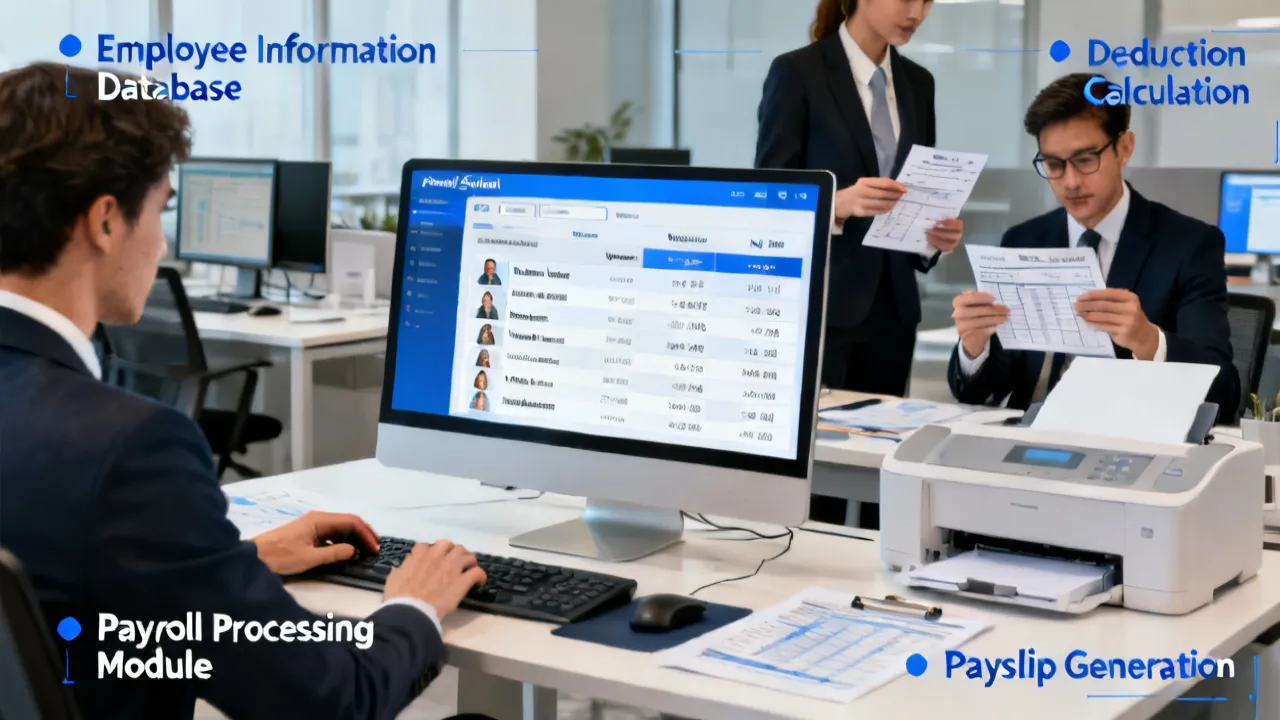

Understanding the Payroll System Essentials
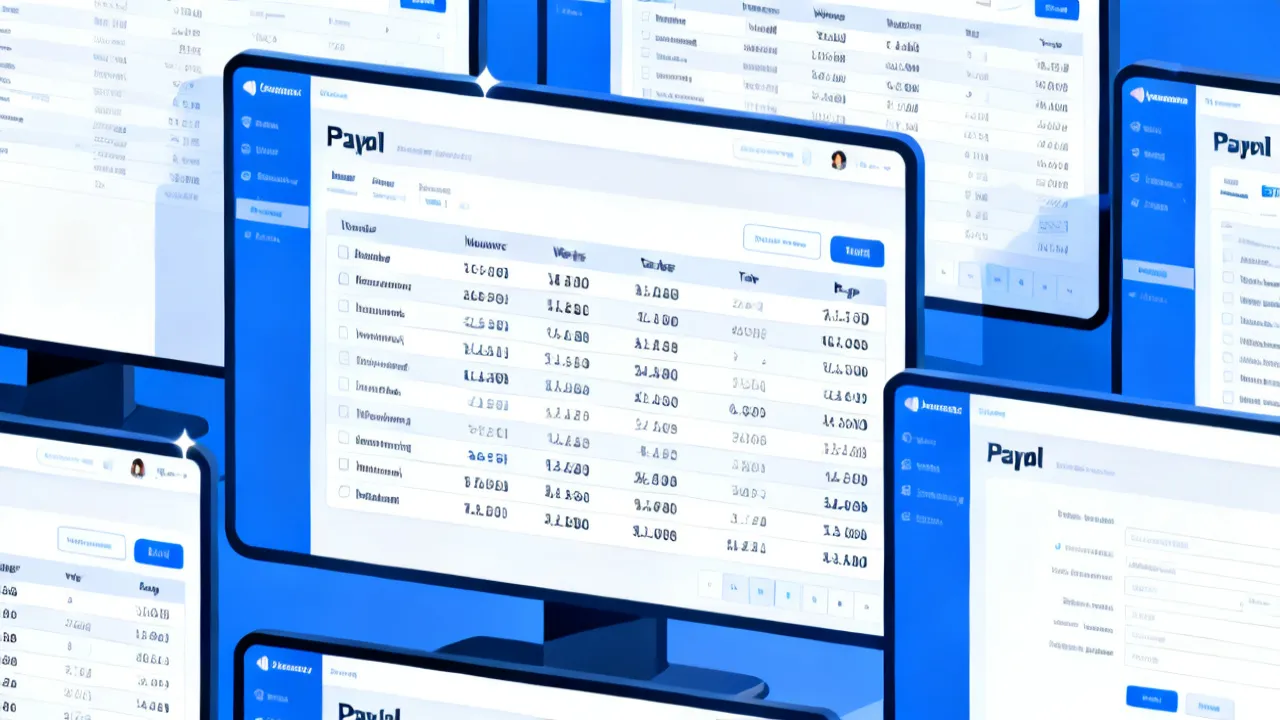
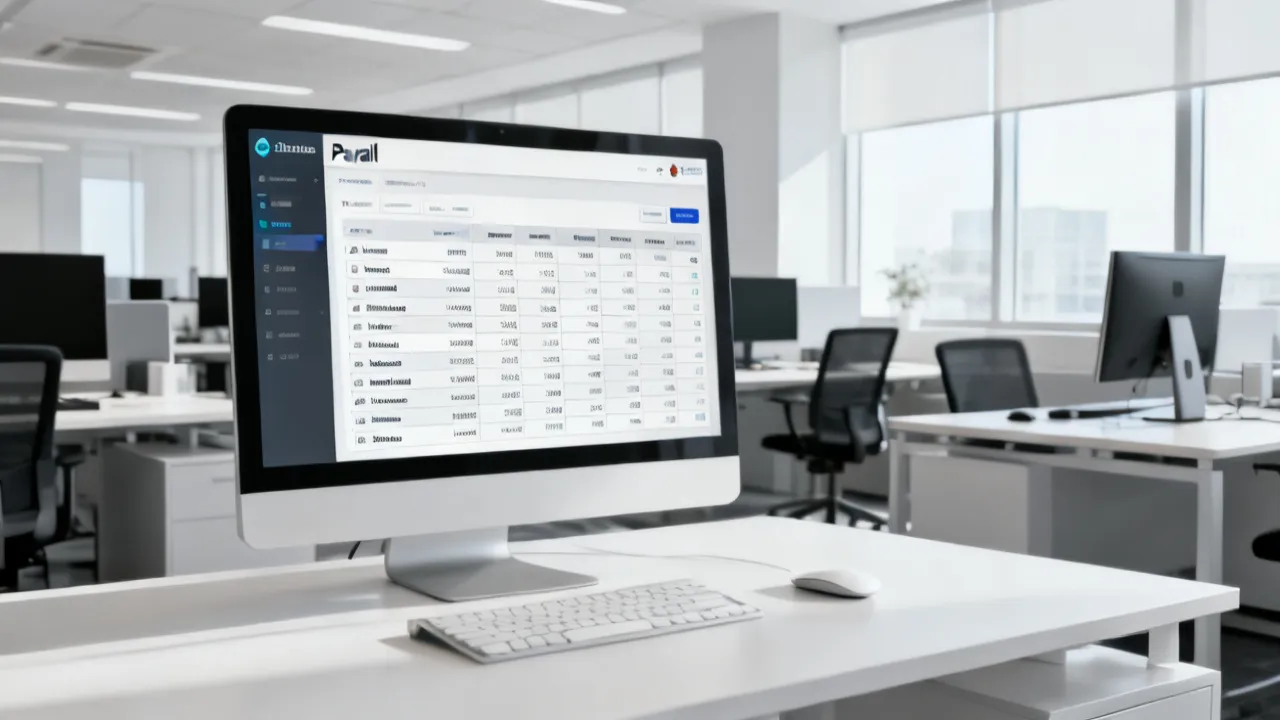
The payroll system is a critical component for businesses, managing employee compensations effectively. It involves comprehensive processes for wage calculation, tax withholding, and benefit distribution. Efficient payroll systems reduce errors, ensure compliance with regulations, and improve employee satisfaction by providing timely and accurate payments.

What is a Payroll System?
A payroll system is a software or process employed by organizations to handle all aspects related to employee compensation, including salaries, bonuses, deductions, and taxes. It can encompass various functions, such as tracking employee hours, calculating withholding taxes, and even managing direct deposits. Payroll systems might also include modules for handling benefits and sick leaves, or integrate seamlessly with other systems such as human resources (HR) management software. As a fundamental pillar of any business, a payroll system is crucial not only for operational efficiency but also for ensuring compliance with tax regulations and labor laws.
Importance of an Efficient Payroll System
Organizations that utilize a robust payroll system benefit greatly in terms of operational efficiency and employee satisfaction. An effective payroll system minimizes human errors in calculations, ensures timely salary disbursements, and maintains compliance with tax laws, which otherwise can be complex and time-consuming. Moreover, a well-structured payroll system fosters trust between employees and employers, enhancing employee morale and loyalty. When employees are confident that their compensation is processed accurately and on time, it promotes a positive workplace culture and helps retain top talent. In today’s competitive job market, companies that invest in efficient payroll systems can distinguish themselves as employers of choice.
Components of a Payroll System
The basic components of a payroll system typically include:
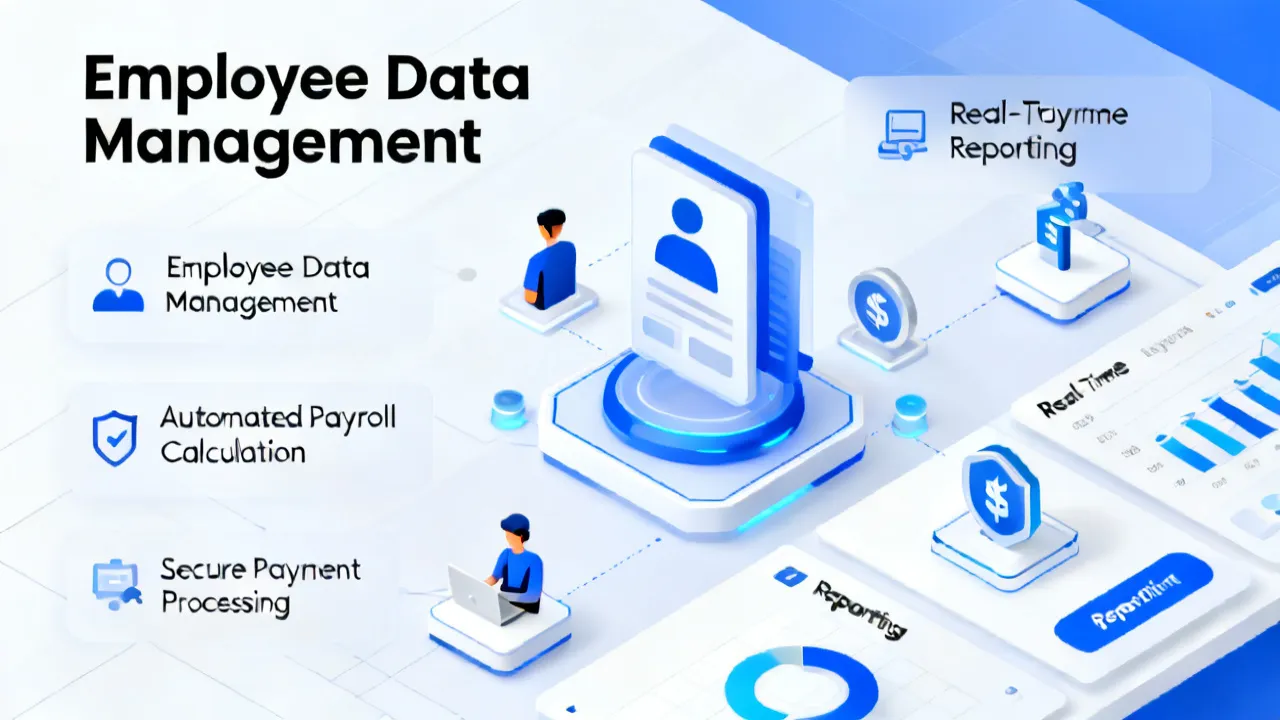
- Employee Information Management: This involves maintaining vital employee data such as personal information, employment contracts, and salary details. Keeping accurate and updated records is crucial for efficient payroll processing and compliance. Organizations often use Employee Self-Service (ESS) portals, allowing employees to update their information directly.
- Salary and Wage Calculations: Payroll systems automate the calculation of wages, taking into account hours worked, overtime, and deductions. The system uses pre-set rules and regulations regarding overtime, holiday pay, bonuses, and allowances, which helps ensure employees are compensated correctly according to their contracts and applicable laws.
- Tax Calculations and Filings: The system should compute taxes accurately and facilitate their filing with relevant authorities. This feature becomes even more vital during tax season, where timely and correct submission of tax forms is required to avoid penalties. Many payroll systems are designed to accommodate various jurisdictions, simplifying multi-state or international payroll processing for businesses with diverse employee locations.
- Payroll Reporting: Generates reports that provide insights into payroll expenses and other key financial metrics. Various reports, such as payroll summaries, departmental reports, and tax liability reports, can be tailored to assist management in making informed financial decisions about workforce expenditures and strategic planning.
Implementing a Payroll System
Implementation of a payroll system generally involves several distinct phases. First, the organization must assess its current payroll processes to identify strengths and weaknesses. Next, choosing the right system that meets the company's needs—considering scalability, features, integration options, and budget—is crucial. Configuration of the chosen system as per organizational policies follows, where specific preferences such as pay schedules and deduction types are established.
Training plays a pivotal role in the success of the implementation. Employees who manage payroll should be adequately trained in how to navigate the system, generate reports, and ensure compliance with relevant laws. It’s vital to provide ongoing support even after implementation, addressing questions or issues that arise as employees acclimate to the new system. Additionally, organizations should integrate the payroll system with existing HR management and accounting systems to ensure seamless operation and data consistency, promoting a holistic approach to employee management.
Payroll System Software Options
There are several payroll software options available that cater to different business sizes and industries. Some popular ones include:
| Software | Features |
|---|---|
| ADP | Comprehensive payroll processing, HR tools, and tax compliance features. ADP also offers a user-friendly interface and a mobile app for payroll management on-the-go. |
| Gusto | Easy onboarding, benefit integrations, and detailed payroll analytics. Gusto is particularly popular among small businesses due to its affordable pricing and easy setup process. |
| Paychex | Flexible payroll options with mobile access and extensive support resources. Paychex also provides tools for HR management, making it a comprehensive solution. |
| QuickBooks Payroll | Integrates well with the accounting software, offers direct deposit capabilities and thorough reporting options, ideal for businesses that already use QuickBooks for bookkeeping. |
| Zenefits | A cloud-based platform that provides robust HR automation, compliance management, and payroll management integrated into a single platform, ideal for startups and small businesses. |
Benefits of a Digital Payroll System
Adopting a digital payroll system offers numerous advantages that extend beyond simple efficiency improvements:
- Reduces processing errors and enhances accuracy: Digital payroll systems significantly reduce the risk of human errors that often accompany manual calculations or paper-based systems. By automating calculations, organizations can enhance payroll accuracy and decrease discrepancies.
- Speeds up the payroll process, saving time: Automating routine tasks frees up valuable time for payroll staff to focus on strategic planning and employee development, rather than getting bogged down in the minutiae of payroll computations.
- Increases data security with advanced protection measures: Digital systems provide features such as encryption and multiple layers of security that protect sensitive payroll information from unauthorized access and data breaches.
- Improves compliance with up-to-date tax law knowledge embedded in the software: Many payroll systems include built-in updates for tax law changes, ensuring that organizations always remain compliant while reducing the administrative burden of staying informed.
- Streamlines reporting and analysis: Advanced reporting capabilities enable businesses to analyze labor costs and profit margins effectively, assisting in budget forecasting and financial planning.
Overcoming Payroll System Challenges
While an effective payroll system can significantly improve business operations, a variety of challenges may surface during its integration and usage. For instance, data migration from spreadsheets or older systems can be a cumbersome process that requires meticulous planning to prevent the loss of critical information. Companies should conduct thorough testing and validation of data post-migration to ensure clean transitions.
System customization presents another challenge. Businesses often require tailored features that fit their specific payroll processes. Collaborating with software vendors to customize functionalities while balancing costs is essential. Additionally, compliance updates are constant; therefore, staying informed about changes in labor laws is crucial, requiring robust communication between human resources and payroll departments.
Companies should plan for adequate training and support to overcome these hurdles. Investing in comprehensive training ensures users feel comfortable navigating the system, which in turn enhances operational efficiency. Regularly scheduled follow-ups and refresher courses can also help employees stay updated on any new features or compliance requirements.
FAQs
- What is the cost of implementing a payroll system? The cost varies based on the size of the organization and the complexity of its payroll needs. Monthly fees can range from a few hundred to several thousand dollars, depending on the features required. In addition to software costs, organizations should consider ongoing maintenance and potential training costs.
- How often should payroll processing be done? Payroll is typically processed either weekly, biweekly, or monthly depending on the company's employment terms. The frequency often depends on the organization's cash flow, the nature of the workforce, and regulatory standards. For instance, hourly wage earner companies may prefer weekly payroll while salaried employee organizations may lean towards biweekly or monthly pay periods.
- Can a payroll system integrate with other business systems? Yes, many payroll systems are designed to integrate with existing accounting and HR systems, allowing for seamless data flow across platforms. This integration can enhance overall efficiency by reducing data duplication and making information retrieval easier.
- What should companies consider when choosing a payroll system? Companies should consider factors such as software scalability, ease of use, customer support, cost, and the specific features they require, including mobile access and compliance management capabilities.
In conclusion, a well-implemented payroll system is a vital asset for any organization, ensuring not only compliance and efficiency but also fostering a fair and transparent work environment. Companies should carefully select a payroll system that aligns with their unique needs and embrace the technological advancements that come with digital payroll management. The ability to adapt and grow with the changing business landscape is crucial for maintaining competitiveness, operational efficiency, and employee satisfaction within the workforce. As organizations continue to evolve, the importance of an efficient payroll system will only magnify, demonstrating its essential role in promoting business success and a thriving organizational culture.