
Understanding Modern Payroll Systems
This article unravels the complexities and advancements in payroll systems, essential for businesses' smooth financial operations. Modern payroll systems not only ensure accurate salary calculations but also incorporate tax deductions, benefits administration, and regulatory compliance, becoming indispensable for companies striving for efficiency and employee satisfaction in today's competitive market.
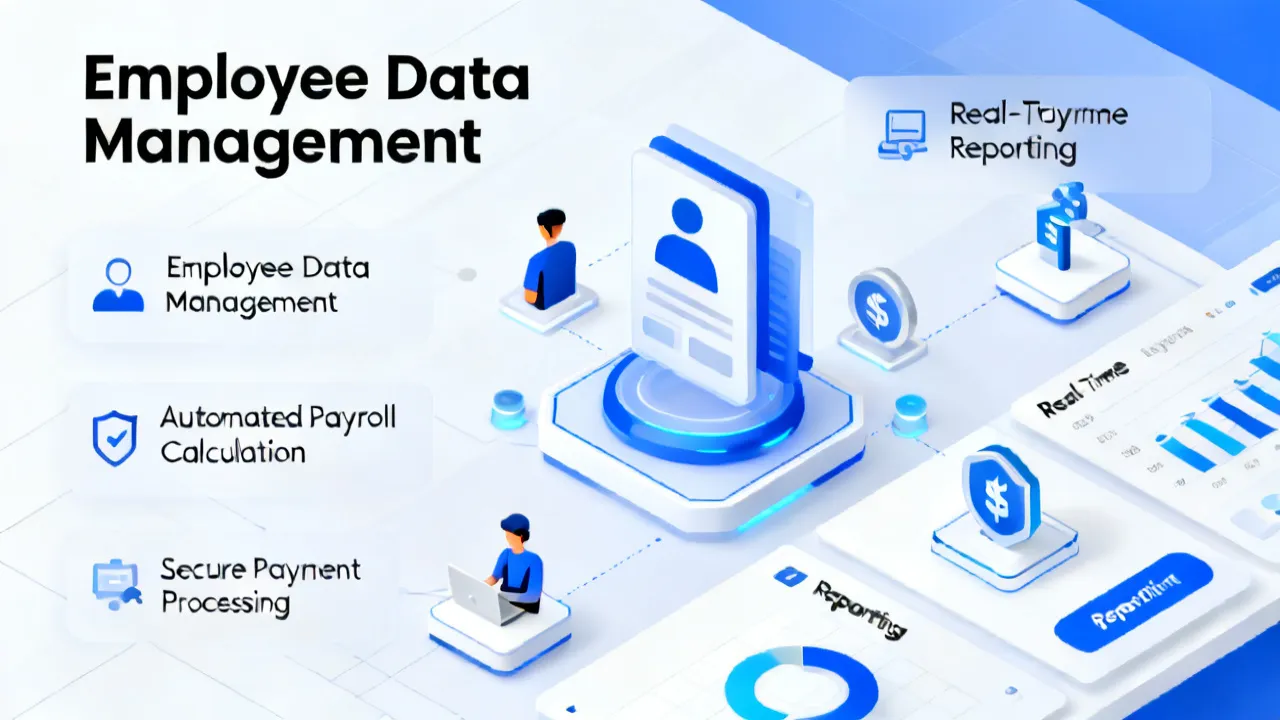
Introduction to Payroll Systems
The payroll system is an integral part of any business that handles employee financial records, including salaries, bonuses, deductions, and net pay. As businesses scale, managing payroll manually can lead to errors, complicate compliance with tax regulations, and consume valuable time, especially in large organizations where staff numbers can increase significantly over short periods. Modern payroll systems have emerged as vital tools, automating and integrating these functions, saving both time and resources.
In addition to supporting the core payroll functionalities, a well-implemented payroll system also minimizes the risk of compliance issues and ensures that employees receive their salaries on time and accurately. Whether for a small business or a large corporation, the choice of a payroll system can affect the financial health and employee satisfaction of an organization. With multiple options available in today's marketplace, understanding which system best meets your business’s operational needs is crucial for long-term success.
Features of Efficient Payroll Systems
Today's payroll systems go beyond simple salary computation. They offer comprehensive features such as:
- Automation: Automated calculations reduce errors and save time. Payroll systems can leverage integrated algorithms to calculate wages, accounting for variables such as overtime, bonuses, and unpaid leave automatically.
- Compliance: Staying updated with tax, labor, and employment laws ensures compliance and avoids penalties. Many systems offer compliance modules that keep track of changes in legislation, ensuring that payroll is always in line with current laws.
- Scalability: The ability to adapt to a growing number of employees without compromising efficiency is crucial. As businesses expand, efficient payroll systems can adjust seamlessly to accommodate new hires without the need for significant overhauls or additional resources.
- Integration: Seamless linkage with accounting, HR, and time-keeping systems enhances overall data management. Such interconnectivity facilitates better reporting and financial planning—key factors for businesses managing complex financial ecosystems.
- Accessibility: Cloud-based systems allow access from anywhere, enabling flexibility and remote management. This is increasingly important in today's workforce, where remote and hybrid working models become the norm, necessitating accessible tools for both management and employees.
- Reporting and Analytics: Advanced reporting capabilities allow organizations to generate customized reports for various payroll processes, enabling management to make data-driven decisions. This feature can also be used to assess labor costs and overall financial efficiency.
Challenges in Payroll Management
Despite advancements, managing payroll still presents challenges such as:
- Data Security: Ensuring data security and confidentiality is paramount, especially as payroll systems handle sensitive personal information. The threat of data breaches necessitates the inclusion of robust encryption and security measures.
- Varied Employee Compensations: Different compensation structures, such as hourly wages, salaried positions, commission-based roles, and various benefits can complicate payroll processes. Customized payroll systems need flexibility to accommodate these variances.
- Regulatory Changes: Adapting to new regulations can take time and resources. A well-maintained payroll system should incorporate timely software updates to adjust for any new laws impacting employee compensation and taxation.
- Employee Self-Service: Many organizations are moving toward self-service portals where employees can view and manage their payroll information. Implementing such solutions can present technical challenges and require proper training for all employees.
- Integration Issues: When payroll systems are not effectively integrated with existing HR or accounting software, it can lead to duplication of efforts, data discrepancies, and inefficiencies that ultimately affect payroll processing.
A robust payroll system addresses these challenges by incorporating advanced encryption, customizable parameters, and regular updates. The careful selection and deployment of such systems can lead to increased efficiency and a reduction in common problems faced in payroll management.
Choosing the Right Payroll System
When selecting a payroll system, consider factors like the size of your business, budget, and specific needs. The size of your workforce and the complexity of your payroll requirements will play significant roles in this decision. A small company may only require basic functioning systems for payroll processing, whereas an enterprise-scale organization would benefit from comprehensive systems that manage multifaceted payroll structures.
It's also important to examine features, user interface, customer service, and the integration capabilities with existing systems. Consider user-friendliness; a complex system can frustrate users and lead to costly errors. Additionally, reviews from current users can provide insights into the system's reliability and vendor support.
Another vital consideration should be the flexibility of the software. This includes the capability for future adjustments, such as accommodating new employee classifications, changing regulations, or evolving business practices. Additionally, think about the types of reporting your business needs and whether the payroll system offers customizable reports tailored for your organization.
Additionally, read reviews, request demos, and consult with experts to make an informed decision. Engaging with professionals who specialize in payroll systems can provide insights into the latest technologies and best practices, assisting you in making a choice that aligns with your operational priorities.
Benefits of Implementing a Payroll System
Businesses stand to gain significantly by employing efficient payroll systems. Benefits include:
- Cost Savings: Reducing manual input lowers the risk of costly errors, ultimately saving businesses money spent rectifying these mistakes. As payroll errors can lead to fines, lost productivity, or even damaged reputations, investing in an accurate system is an essential financial strategy.
- Improved Productivity: Automation allows HR departments to focus on strategic activities rather than getting bogged down in administrative details. This empowerment enables HR professionals to spend more time on talent management and employee engagement initiatives, further enhancing productivity.
- Employee Satisfaction: Accurate, timely payroll strengthens trust and morale. Properly functioning payroll systems can also include features that allow employees to view their pay stubs, track hours worked, and even make changes to their tax withholdings, contributing to a more engaged workforce.
- Data Insights: Robust reporting capabilities assist in strategic planning and decision-making. Employers can generate insights on labor costs, overtime trends, or workforce productivity, all of which can inform more effective resource allocation and strategic business initiatives.
- Enhanced Compliance: An efficient payroll system helps ensure compliance with labor laws and tax regulations, significantly reducing the risk of costly penalties or audits that can occur due to payroll mistakes. By automating compliance processes, businesses can stay ahead of regulatory changes.
Ultimately, the implementation of a payroll system does not merely serve the purpose of managing payroll. Instead, it strategically enhances a business's overall efficiency, improves employee experience, and contributes developments toward a more organized financial structure.
Comparison of Popular Payroll Systems
| System | Features | Scalability | Compliance |
|---|---|---|---|
| System A | Automated tax calculations, remote access, and employee self-service portal. | Small to mid-size businesses. | Regular updates on tax laws and labor regulations. |
| System B | Integrated HR and accounting, robust analytics, and mobile access. | Enterprise-level with customizable modules. | Global compliance features, including multi-currency support. |
| System C | Cloud-based system, automated reporting, and direct deposit capabilities. | Small to large enterprises with scalability options. | Regular compliance audits and updates based on regional laws. |
| System D | Time-tracking integration, benefits administration, and user-friendly dashboard. | Flexible for startups to large corporations. | Compliance with federal and state regulations with alerts for changes. |
| System E | Employee scheduling, advanced analytics, and customizable reporting features. | Moderate scalability with preset packages for specific business needs. | Integrated compliance tracking with reporting capabilities for audits. |
FAQs
What is a payroll system? A payroll system is software designed to manage, organize, and automate employee payment tasks. It streamlines the entire payroll process from data entry to taxation and reporting.
Why are payroll systems important? They ensure timely and accurate salary distributions, tax compliance, and reduce administrative workloads. Without a payroll system, businesses may face delays, errors, and compliance complications.
Can payroll systems handle different currencies? Yes, many advanced systems offer multi-currency support for global operations, making them suitable for companies with international employees or businesses that operate in multiple countries.
Is training required to use a payroll system? While many systems are user-friendly, training can optimize use and efficiency. Comprehensive training helps ensure that all users can navigate the system effectively and extract maximum value from its features.
How often should payroll systems be updated? Regular updates are crucial to maintaining functionality and compliance. Most payroll software vendors provide updates quarterly or annually, depending on changes within tax regulations or business needs.
What should I consider if I choose to outsource payroll instead? If outsourcing payroll, consider factors such as the credibility of the service provider, their compliance history, data security protocols, service fees, and the ability to customize services according to your business needs.
Conclusion
The evolution of payroll systems has transformed the way businesses handle employee compensation, ensuring efficiency, compliance, and employee satisfaction. By choosing a system that aligns with your business needs, you can streamline operations and focus on growth. When selecting a payroll system, it is wise to explore options carefully, consider your organization's future growth, and incorporate features that enhance productivity and data management.
Furthermore, regular evaluations and updates of your payroll system are essential in adapting to dynamic business environments and regulatory changes. As technology progresses, the integration of artificial intelligence (AI) and machine learning into payroll systems opens new avenues for automation and efficiency. Staying ahead of the curve will ensure that your payroll processes not only meet current demands but also proactively adapt to the constantly changing business landscape.
In conclusion, investing in the right payroll system can yield substantial returns, leading to a more streamlined workforce, greater employee satisfaction, and improved organizational performance. Embracing these technologies enables your organization to capitalize on efficiencies that will support your long-term success and sustainability in an increasingly competitive marketplace.