
Understanding Approved Payroll Systems
Approved Payroll systems streamline employee compensation, ensuring accurate and timely payments. From calculating wages to handling tax deductions, these systems are crucial for organizational efficiency. They provide a seamless process that integrates employee time tracking, benefits administration, and compliance with legal standards, making them indispensable for businesses of all sizes.
The Importance of Approved Payroll Systems
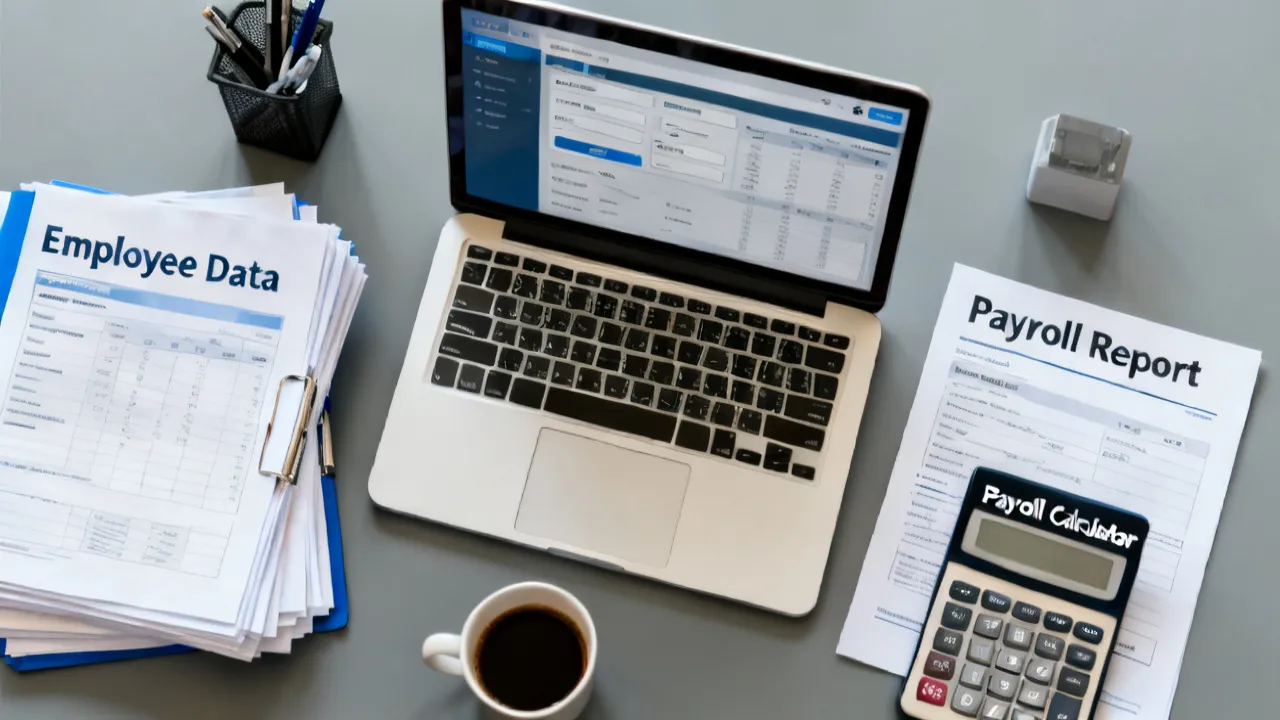
Understanding the intricacies of Approved Payroll systems is crucial for businesses striving to ensure compliance and efficiency in employee compensation processes. These systems are designed to handle tasks beyond simple paycheck issuance, covering everything from precise wage calculations to tax withholdings and benefit deductions. As a comprehensive solution, they facilitate a smooth workflow that reduces human error and increases operational productivity. In the ever-evolving landscape of business, where financial regulations and employee expectations continuously change, a robust payroll system becomes a necessary component for sustainable growth.
What is an Approved Payroll System?
An Approved Payroll system encompasses software solutions or service providers that adhere to local and federal regulations regarding payroll management. These systems are quintessential in automating payment processes, thus affording up significant company resources that might otherwise be tied up in manual data handling. A well-implemented system is a linchpin for maintaining organizational compliance while fostering a reliable payroll experience for employees.
Furthermore, the integration of an approved payroll system into business operations extends beyond mere compliance; it reflects a business’s commitment to its employees. By investing in technology that ensures timely and accurate compensation, businesses demonstrate their dedication to maintaining employee morale and trust while simultaneously reducing the potential for disputes and misunderstandings over pay.
Core Features and Benefits
A sophisticated Approved Payroll system typically includes key features such as automated tax filings, direct deposit capabilities, time and attendance tracking, as well as employee self-service portals. These elements are instrumental in providing an end-to-end service that enhances transparency and confidence within the workforce. Here are some of the core features and their associated benefits:
- Accuracy: Modern systems are equipped with algorithms that minimize errors in calculations, ensuring that each employee receives their due compensation. This not only builds trust but also protects the organization from potential legal repercussions stemming from wage discrepancies.
- Compliance: These systems automatically update to reflect any legislative changes, safeguarding businesses from penalties that arise from non-compliance. Staying abreast of tax law changes is critical and automated updates alleviate this burden from HR personnel.
- Data Security: Given the sensitive nature of payroll information, robust security protocols are integrated to protect against unauthorized access. With increasing cyber threats, ensuring the security and integrity of employee data is paramount.
- Efficiency: By automating repetitive tasks, payroll systems optimize time management, enabling HR departments to focus on strategic initiatives. This approach allows HR to channel resources towards employee engagement initiatives rather than administrative tasks.
- Flexibility: Many modern payroll systems allow users to customize features based on specific company needs, such as different pay schedules and compensations based on location, job role, or employment status.
- Integration Capabilities: Seamless integration with other business systems, such as HR management and accounting software, allows for better data flow and enhances productivity across departments.
Integrating Approved Payroll Systems with HR Operations
Effectively merging payroll systems with broader human resource strategies is critical. An integrated Approved Payroll system not only ensures financial accuracy but also supports broader HR management objectives. Integration facilitates smoother information exchange between payroll and other critical HR functions, thus fostering a holistic approach to workforce management. Here’s how integrating payroll enhances HR operations:
- Employee Lifecycle Management: From onboarding to offboarding, payroll systems store vital information that supports an employee’s journey within the company. This consolidation of information helps maintain continuity and cohesion in employee experience.
- Human Capital Insights: Reports generated by payroll systems provide valuable data analytics that highlight workforce trends and opportunities for improvement. This data can inform decisions related to promotions, compensations, and staffing needs based on predictive analytics.
- Resource Allocation: Automating payroll allows HR personnel to redirect their efforts towards enhancing employee satisfaction and talent development. With less time spent on payroll management, HR can invest in programs that improve workplace culture and employee retention.
- Compliance Tracking: Integrating compliance tracking features within payroll systems ensures that all reports, filings, and payments meet regulatory expectations, enabling peace of mind for HR teams.
- Enhanced Communication: Integrated systems can foster better communication between HR and employees, with self-service portals enabling workers to access their payroll data, request changes, and clarify discrepancies without necessitating direct HR intervention.
Adoption Challenges and Solutions
Implementing a new payroll system, especially approved models, can be met with hurdles such as resistance to change and system compatibility issues. However, these challenges are surmountable with strategic planning and effective communication. To address these common challenges and ensure a successful rollout, it’s essential to utilize comprehensive strategies:
- Change Management: Provide training sessions and resources to ease the transition for staff members. Change management programs should be designed to inform employees about the benefits of the new system while addressing their concerns about learning new processes.
- Technical Support: Choose vendors that offer robust support services to tackle any technical issues that arise post-implementation. Ensuring that employees know whom to contact and how to use these services is vital to maintaining productivity.
- Gradual Rollout: Implement the system in phases, beginning with basic functions and moving to more complex features. This step-by-step approach allows users to acclimatize to the system effectively without feeling overwhelmed by too much change at once.
- User Feedback: Continuously collect feedback from users throughout the implementation process to understand their experiences and identify areas for improvement.
- Documentation and Training Materials: Develop thorough documentation and training materials that employees can refer to during and after implementation. Ensuring that they have access to these resources can significantly increase user confidence and system adoption rates.
Decision-Making: Choosing the Right Payroll System
When selecting an Approved Payroll system, it is essential to evaluate how well it aligns with business priorities and growth objectives. Considerations include:
- Scalability: The system should be capable of expanding alongside your business, accommodating more users and complex operations. Future-proofing systems is crucial in today’s dynamic business landscape.
- User Experience: Intuitive interfaces reduce the need for extensive training and boost user satisfaction and productivity. A positive user experience influences employee engagement with the system.
- Reputation and Reliability: Work with reputable providers who have a proven track record in your industry. Conducting reference checks and reading case studies can help in assessing the reliability of a potential vendor.
- Cost Efficiency: Comparing total ownership costs, including license fees, implementation costs, and ongoing fees, helps businesses determine the long-term financial impact of the system.
- Vendor Support: Evaluate the level of customer service and support a vendor offers beyond implementation. Reliable customer support can make or break the experience of an organization using the payroll system.
- Customization Options: Verify whether the system can be tailored to fit specific organizational needs, including unique reporting requirements or integration with specialized tools that your business may use.
| Criteria | Considerations |
|---|---|
| Compliance | Ensure the system is regularly updated in accordance with legal mandates to prevent compliance issues. |
| User Interface | Assess the system’s ease of use and customization capabilities to meet the specific needs of your organization. |
| Cost | Compare the pricing models, keeping in mind both initial setup costs and ongoing subscription fees. |
| Integration Capability | Choose a system with the flexibility to integrate seamlessly with your existing HR and accounting software. |
FAQs
What makes a payroll system 'approved'?
An approved payroll system is one that complies with industry standards and regulations, ensuring that all payroll activities are legally sound and efficient. Only those systems that adhere to the latest guidelines from regulatory bodies are qualified as approved systems.
How can businesses ensure smooth implementation?
To facilitate smooth implementation, businesses should conduct thorough requirement analyses, engage a dedicated project team, and train end-users on new processes. Moreover, organizations should maintain open lines of communication and actively involve key stakeholders in the implementation process to ensure their concerns and needs are addressed.
What are the common pitfalls in payroll management?
Common challenges include misclassification of employees, incorrect tax filings, and failing to keep records up to date, all of which can be mitigated with a reliable payroll system. Additionally, issues such as lack of employee training on the system and failure to periodically review payroll processes can also contribute to management pitfalls.
Why is data security critical in payroll processing?
Payroll data includes sensitive information, making it a prime target for cyber threats. Ensuring robust security measures protects both employee privacy and company integrity. Data breaches can not only lead to financial losses but can also damage a company's reputation and erode customer trust.
How can companies maximize the benefits of their payroll systems?
Companies can maximize the benefits of their payroll systems by regularly exploring training opportunities for HR personnel to keep them updated on system functionalities. Additionally, utilizing analytics provided by the payroll system to make informed decisions about employee compensation and benefits can further enhance strategic human resource management.
What is the role of technology in modern payroll systems?
The role of technology in modern payroll systems is multifaceted. It facilitates automation, enhances accuracy through advanced algorithms, improves security through encryption, and offers insightful analytics that help organizations manage their workforce efficiently. Emerging technologies such as artificial intelligence and machine learning are increasingly being integrated into payroll systems, offering predictive analytics that can aid in avoiding potential compliance issues before they arise.
In conclusion, the choice of an Approved Payroll system is a strategic decision that impacts not only financial accuracy but also overall corporate health. Its adoption ensures that payroll tasks are comprehensively managed, allowing companies to leverage workforce potential more effectively. By investing in a solid payroll system, businesses are not only choosing a technological solution but also reinforcing their commitment to their workforce, thereby laying the foundation for a more engaged and productive organizational environment.