
Understanding Payroll System Dynamics
A payroll system is an integral software or platform used by organizations to manage and streamline the compensation process of employees. Implementing a payroll system enhances efficiency by automating calculations and documentation required for accurate salary disbursements, tax withholdings, and compliance with employment laws. This article explores the multifaceted benefits, considerations for selection, and future trends in payroll systems.
Introduction to Payroll Systems
A payroll system is the backbone of any organization's financial and human resource departments. This sophisticated software is designed to automate the process of employee compensation, significantly reducing the risk of errors inherent in manual payroll processing. With the advent of technology, payroll systems have evolved from simple software solutions into comprehensive platforms that integrate with other enterprise resource planning (ERP) applications. The efficiency of these systems can directly influence an organization's ability to attract and retain talent, comply with regulations, and optimize operational costs.
The Role of Payroll Systems in Modern Business
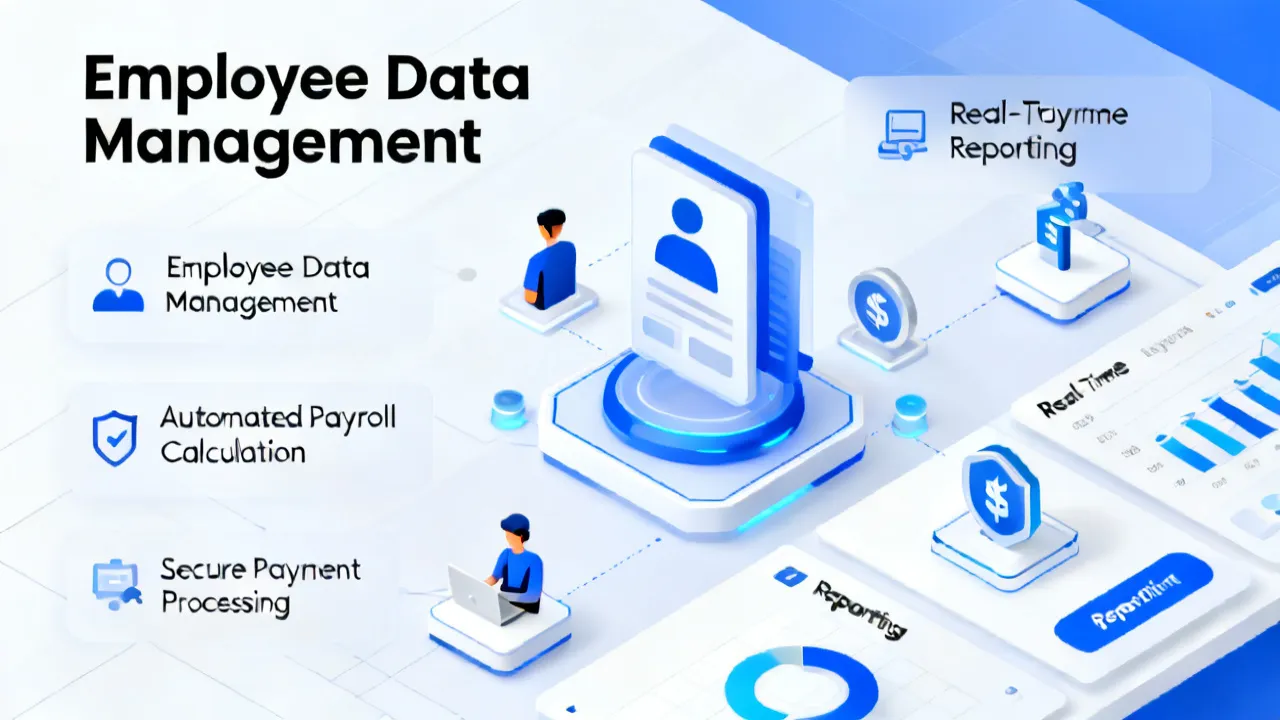
In today's competitive business environment, the efficiency of a payroll system can impact the overall operational success of an organization. Modern payroll systems offer a range of functionalities such as automated tax calculations, real-time reporting, compliance with legal requirements, and integration with time-tracking tools. The primary objective is not just payroll processing but also enhancing the overall employee experience by ensuring timely and accurate payments. Additionally, payroll systems can support HR functions such as benefits administration, employee onboarding, and performance management, making them an integral part of the workforce management strategy.
Key Features of Effective Payroll Systems
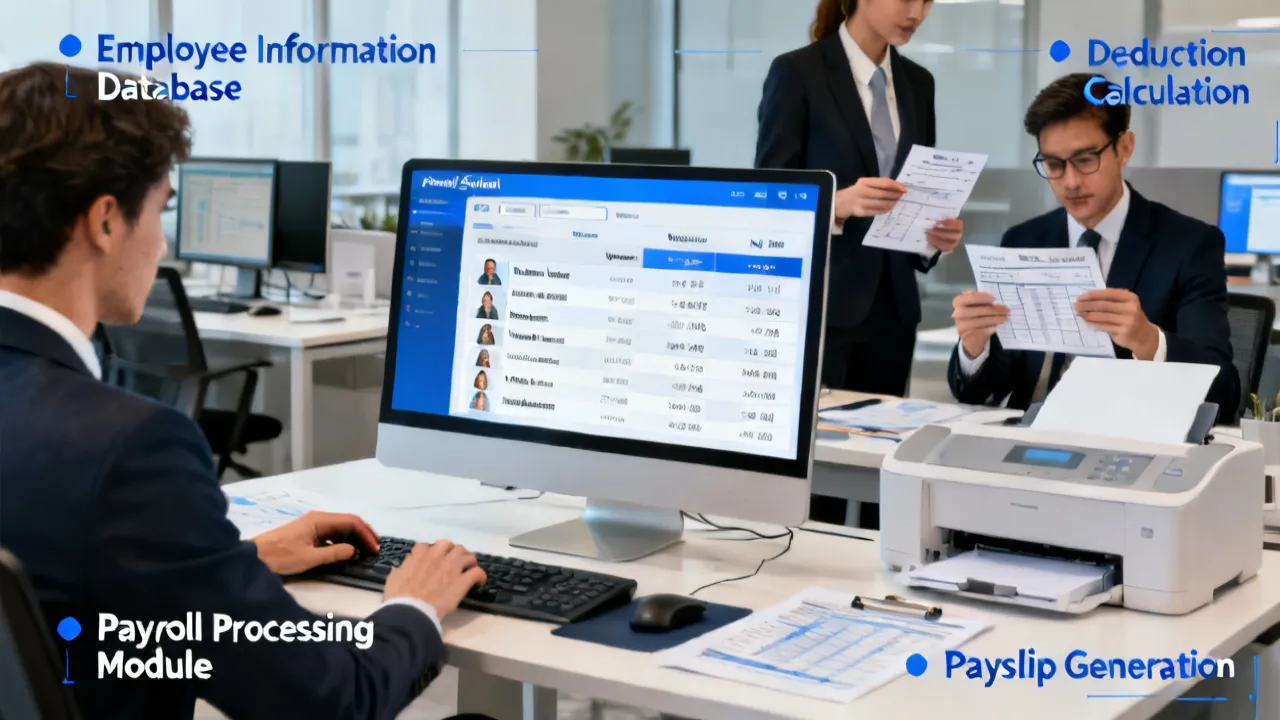
- Automated Calculations: A strong payroll system calculates wages, salaries, bonuses, deductions, and taxes, ensuring precise payout. It can manage complex payroll scenarios, such as overtime, commissions, and piecework pay, which are often seen in diverse workplaces.
- Compliance Management: Keeping up with national and international labor laws is crucial. Payroll systems automatically update with legal changes to ensure compliance. This feature minimizes the risk of legal penalties that can arise from non-compliance with tax laws, labor regulations, and employee rights.
- Data Security: Robust encryption and secure data storage protect sensitive employee information from unauthorized access. Given the rise in cyberattacks targeting financial data, a reliable payroll system prioritizes security measures such as multi-factor authentication and regular system audits.
- Cost Management: Options for direct deposit and electronic pay stubs help reduce expenses associated with printer supplies and postage. Additionally, payroll systems can help organizations analyze labor costs and identify areas for improvement, ultimately driving better financial decisions.
- Analytics and Reporting: Provides detailed insights into payroll costs, aiding strategic planning and budgeting. Sophisticated reporting capabilities allow for customized reports, predictive analytics, and visualizations that empower managers to make data-driven decisions.
- Employee Self-Service: Many payroll systems include a self-service portal where employees can access their pay stubs, tax information, and personal data. This feature promotes transparency and reduces administrative burden on HR departments.
Choosing the Right Payroll System: A Comprehensive Guide
Selecting the right payroll system for your organization involves examining several critical factors to meet organizational goals and compliance needs. Below is a guide detailing the selection process:
- Assess Needs: Evaluate the specific requirements of your organization based on size, industry, and existing technological infrastructure. Consideration should also be given to your workforce's diversity and geographical distribution.
- Budget Considerations: Determine a realistic budget, factoring in both initial implementation costs and ongoing operational expenses. Understanding the total cost of ownership is vital for a sustainable investment.
- Integration Capabilities: Ensure the payroll system seamlessly integrates with existing ERP and other HR systems to make data transfer efficient and error-free. Integration can also reduce the likelihood of duplicating efforts and minimize data discrepancies.
- User-Friendliness: Select a system that is intuitive and requires minimal training for staff to operate effectively. A user-friendly interface encourages employee engagement and can lead to better adoption rates across the organization.
- Vendor Support: Choose a supplier known for reliable customer service and support, available during critical payroll times. Look for vendors that provide comprehensive training resources and online tutorials to assist users in navigating the system.
- Scalability: The chosen payroll system should be scalable to accommodate growth. As your organization expands, so should the capabilities of your payroll solution, including support for additional employees, enhanced features, or new compliance requirements.
Comparison of Popular Payroll Systems
| System Name | Description | Unique Features |
|---|---|---|
| System A | User-friendly interface with customizable modules adaptable to various industries. | AI-driven analytics, mobile accessibility for remote teams, and task automation workflows. |
| System B | Robust compliance and tax management tools designed for multinational organizations. | Advanced data encryption, multinational payroll integration, and real-time labor cost tracking. |
| System C | Cost-effective solution tailored for small to medium enterprises with limited resources. | Seamless small business integration, budget tracking capabilities, and simple reporting features. |
| System D | Integrates payroll with HR functions for a holistic employee management approach. | Automated employee onboarding, benefits administration, and performance management tools. |
The Future of Payroll Systems
The payroll landscape is transforming with the incorporation of artificial intelligence and machine learning. These technologies promise to enhance predictive analytics, automate more complex HR tasks, and improve decision-making processes through real-time data insights. As businesses shift towards remote and hybrid working models, cloud-based payroll solutions will play a pivotal role in ensuring continuity and adaptability. Moreover, the future may include advanced features such as blockchain technology for secure transactions, virtual currency payment options, and AI-enabled chatbots assisting employees with payroll inquiries and support.
FAQs
- Why is payroll system security important? Security is critical in payroll systems to protect sensitive employee data from breaches and unauthorized access. Data breaches can lead to severe financial and reputational damage for organizations.
- How can a payroll system improve employee satisfaction? By ensuring timely, accurate paychecks and transparent tax withholding, payroll systems contribute positively to employee trust and morale. A seamless payroll experience can make employees feel valued by their organization.
- What should be considered when budgeting for a payroll system? Consider both initial setup and ongoing costs, including software licensing, training, and potential upgrades. It's also essential to account for unexpected costs, like additional features or increased licensing fees as the organization grows.
- How can payroll systems ensure compliance with labor laws? Payroll systems update automatically to reflect any changes in labor laws and regulations, which minimizes the risk of non-compliance penalties. Routine audits and compliance checks built into the system also bolster this capability.
- What impact do payroll systems have on employee retention? Efficient payroll systems improve payment accuracy, reduce payroll errors, and foster transparency, all of which contribute to employee satisfaction and, consequently, retention. A system that supports employee needs can help build a positive organizational culture.
Conclusion
In conclusion, as businesses continue to face complex regulatory and financial challenges, adopting a sophisticated payroll system is no longer optional but a strategic imperative. By choosing the right solution, organizations can enhance operational efficiency, improve employee satisfaction, and maintain compliance with evolving labor laws. Furthermore, embracing technological advancements in payroll processing allows organizations to stay competitive in an ever-changing market landscape. The investment in a robust payroll system, therefore, is not merely a cost but a powerful tool to drive long-term success and sustainability for any organization.
Integrating Payroll with Core Business Functions
The role of payroll systems extends beyond payroll processing and employee payments; they serve as critical integrators of various core business functions. For example, payroll systems can synchronize with performance management systems, HR management tools, and employee benefits platforms. By integrating these functions, organizations can create a comprehensive view of their human resources, enabling better workforce planning and allocation of resources.
Case Studies of Payroll Implementation Success
To further illustrate the importance and impact of effective payroll systems, consider these success stories from various enterprises that have implemented modern payroll solutions:
Case Study 1: Tech Startup Streamlines Operations
A rapidly growing tech startup faced challenges with manual payroll processing that led to frequent errors and employee dissatisfaction. After switching to a cloud-based payroll system, the company experienced increased efficiency, with payroll processing time reduced from several days to just a few hours. The startup also benefited from automated compliance updates, which helped avoid costly legal fees.
Case Study 2: Manufacturing Company Ensures Compliance
A mid-sized manufacturing company struggled with managing payroll for a diverse workforce that included hourly and salaried employees across multiple states. They adopted an advanced payroll system that offered automated tax calculations and compliance reporting features. As a result, they were able to meet state-specific labor laws effortlessly and improved overall employee confidence in the payroll process by ensuring accuracy and punctuality in payments.
Case Study 3: Retail Chain Enhances Employee Trust
A large retail chain faced declining employee morale due to payroll discrepancies and delayed payment schedules. By implementing a new payroll system that included an employee self-service portal, employees could access their pay information and resolve queries independently. This shift not only enhanced transparency but also empowered employees, leading to improved engagement and reduced turnover rates.
Trends Influencing Payroll Systems
As the employment landscape evolves, several trends are influencing how payroll systems are designed and utilized:
- Cloud-Based Solutions: The shift to cloud technology allows for greater flexibility in accessing payroll data from anywhere, facilitating remote work arrangements and team collaborations.
- Real-Time Processing: Organizations are moving toward real-time payroll processing, where employees can receive their wages as they earn them. This instant payout option increases satisfaction levels, especially among gig economy workers.
- Employee Financial Wellness Initiatives: More companies are integrating financial wellness programs into their payroll systems, allowing employees to receive financial education, budgeting tools, and even advance payments.
- Enhanced User Experience: Modern payroll systems are focusing on providing an intuitive and engaging user experience for both HR managers and employees, with added mobile functionalities and personalized dashboards.
The Importance of Ongoing Training and Support
As organizations adopt new payroll systems, the significance of ongoing training and support cannot be overstated. Providing employees with continuous training ensures they remain skilled at using the system effectively. Many payroll systems offer user forums, video tutorials, and regular updates that keep users informed about new features or changes. By investing in training, organizations can maximize their payroll system's potential, reduce troubleshooting time, and enhance overall operational efficacy.
Conclusion: Embracing the Future of Payroll
The future of payroll management is set to be dynamic, driven by technological advancements and the evolving needs of the workforce. In an era where personal and professional landscapes shift rapidly, organizations that invest in comprehensive, flexible payroll solutions positioned to adapt will gain a competitive edge. Through the integration of enhanced functionalities, emphasis on data security, and focus on employee satisfaction, payroll systems can undoubtedly serve as a strategic partner in achieving an organization’s broader business goals.