
Understanding Modern Worksite Dynamics
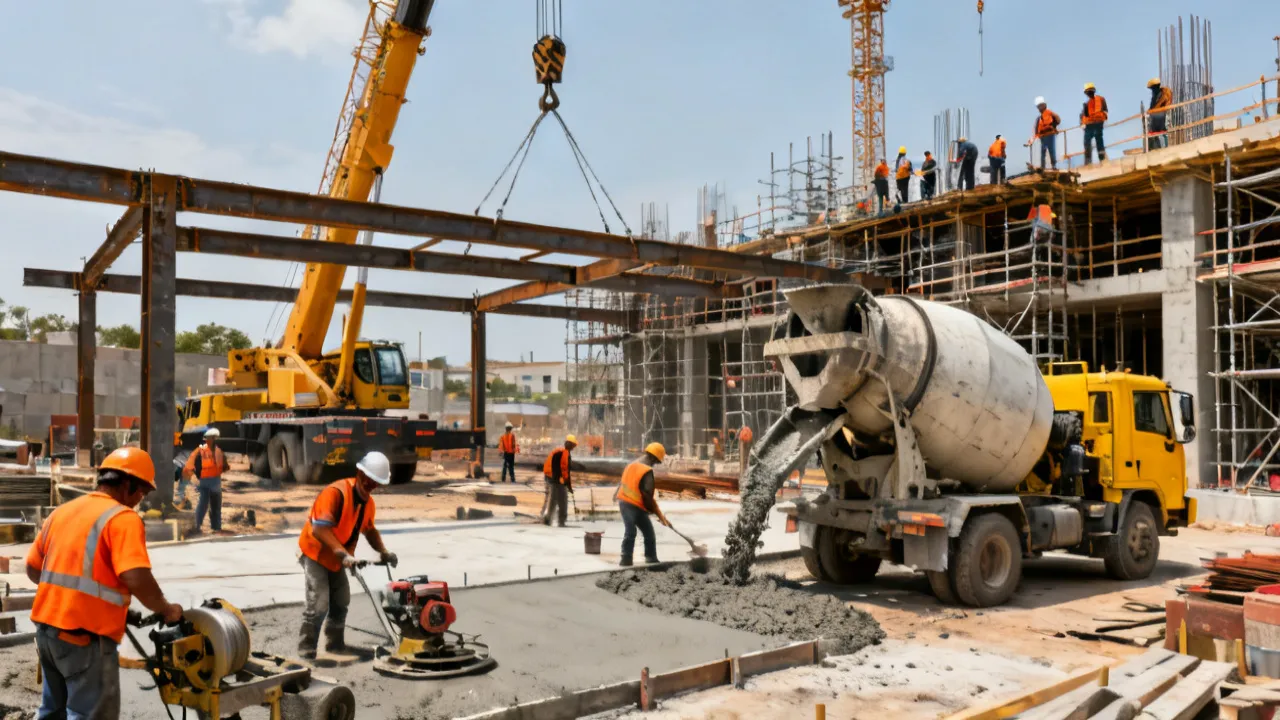
A worksite is a dynamic location where various construction, engineering, and operational tasks are executed. These environments are crucial for project development across industries. Recent advancements in technology, safety protocols, and management techniques have transformed worksites, enhancing efficiency and safety measures.
The Evolution of the Modern Worksite
Over the years, the concept of a worksite has significantly evolved, transitioning from simple construction zones to sophisticated operational hubs equipped with advanced technology and methodologies. Today's worksites are pivotal in boosting productivity, ensuring safety, and delivering timely project completion. Understanding this evolution necessitates a deeper dive into the distinct phases and innovations that have shaped modern work environments.
Key Components of a Worksite
Worksites are categorized by various critical elements, each playing an essential role in the overall functionality and success of the operations:
- Infrastructure: This includes temporary and permanent structures essential for facilitating project tasks. Effective infrastructure planning ensures seamless workflow and resource allocation. Enhanced infrastructure not only accounts for the physical aspects but also integrates adaptability to changing project needs.
- Human Resources: Skilled and unskilled laborers are vital, contributing their expertise in various fields such as engineering, architecture, and logistics. The importance of workforce development and ongoing training cannot be underestimated as it directly correlates with project outcomes and worker safety.
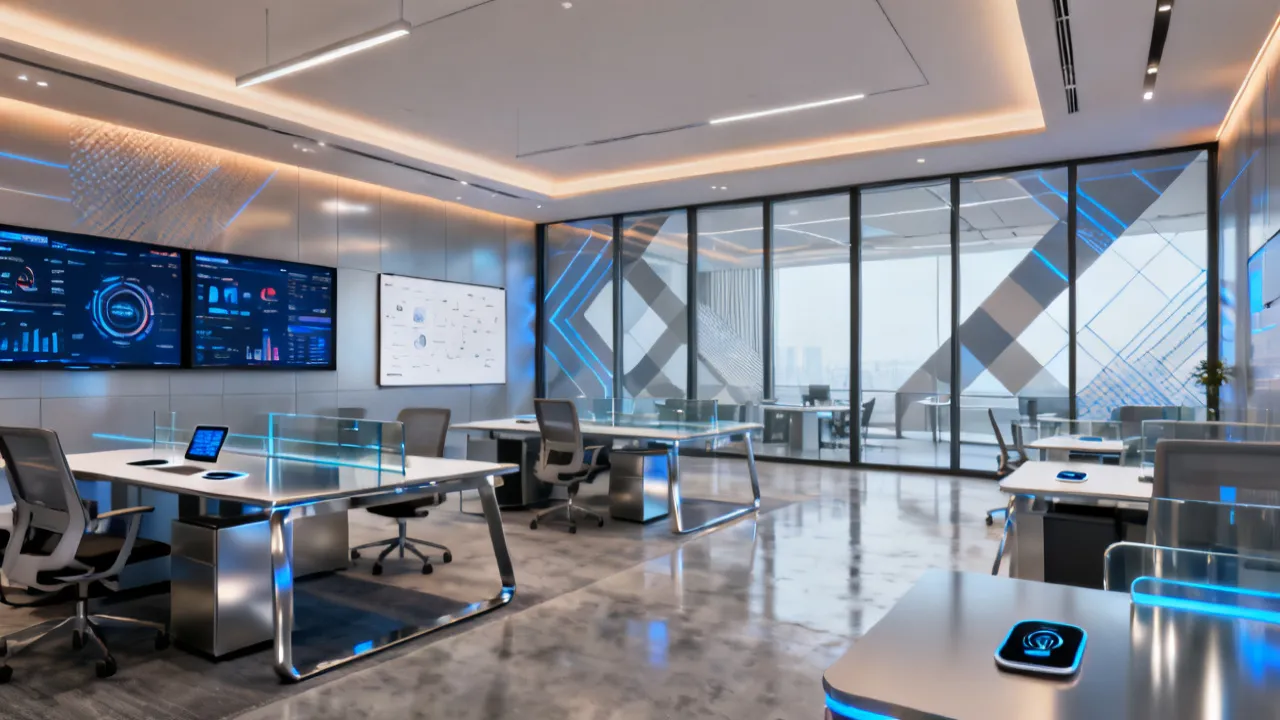
- Technological Integration: Advanced machinery and software tools have become integral, streamlining operations and enhancing on-site communication. The integration of technology also includes the collaboration between various disciplines through platforms that support real-time communication and data sharing.
Technological Advancements in Worksite Management
With the infusion of technology, modern worksites have become more than just locations for physical labor. Automation and digital tools play a crucial role in project management:
- Construction Management Software: These platforms coordinate project logistics, monitor progress, and manage resources efficiently. They enable stakeholders to understand project timelines better and can assist enormously in budget estimation and adjustments.
- Drones and Aerial Monitoring: Used for surveying large worksites, drones provide real-time data and visual insights into project development. This technology allows for quicker assessments and helps identify issues before they develop into significant problems.
- Wearable Technology: Devices like smart helmets and wearable sensors increase worker safety by monitoring vital signs and potential hazards. They also offer valuable data analytics about individual and team performance on-site.
- Virtual Reality (VR) and Augmented Reality (AR): These technologies are increasingly used for training purposes, allowing workers to engage in a simulated environment before they step onto the actual worksite. This is particularly beneficial in high-risk industries where understanding environmental nuances is crucial.
Safety Protocols and Standards
Ensuring safety is paramount on any worksite. Stricter safety regulations and innovative practices have significantly reduced workplace injuries and fatalities:
- Regular Safety Training: Comprehensive training programs keep workers informed about top practices and emergency procedures. The use of simulation-based training further enhances preparedness for real-life situations.
- Risk Assessment: Continuous evaluation and mitigation of potential risks protect both workers and company assets. Advanced software tools can assess risk levels in real-time, providing valuable data to safety officers on site.
- Investing in Personal Protective Equipment (PPE): Advanced PPE, such as enhanced visibility vests and protective eyewear, are standard to reduce exposure to hazardous environments. Continuous innovations in materials—such as lightweight, breathable fabrics that still maintain protection—are becoming commonplace.
- Safety Monitoring Technology: Integration of advanced monitoring technologies, such as geolocation tracking for personnel and advanced alert systems for extreme environmental conditions, are increasingly becoming standards within the industry.
Challenges and Future Trends
Despite technological and procedural advancements, worksites face ongoing challenges such as adapting to new regulations, managing environmental impact, and handling resource scarcity. Future trends indicate a shift towards sustainable practices, with a focus on minimizing ecological footprints and maximizing efficiency through green construction techniques and materials.
| Aspect | Current Practice | Future Trend |
|---|---|---|
| Safety | Standard PPE and training | Integration of AI for real-time monitoring |
| Technology | Use of construction management software | Full automation and machine learning |
| Sustainability | Basic environmental regulations | Complete adoption of sustainable building practices |
| Communication | Traditional reporting systems | Real-time collaborative platforms and AI-driven analytics |
| Project Planning | Legacy planning tools | Integrated 5D BIM with cost and scheduling analysis |
| Workforce Management | Manual scheduling | AI-driven predictive analytics for staffing needs |
FAQs
- What is the role of technology on worksites?
Technology aids in improving efficiency, communication, safety, and project management through innovative tools and systems. The ongoing development of AI and machine learning is set to further revolutionize these roles. - How has safety improved on worksites?
Implementation of stringent safety protocols, continuous training, and the use of high-quality PPE have contributed significantly to improved safety. New approaches such as proactive hazard identification and employee feedback systems are refining these improvements. - What challenges do worksites face today?
Key challenges include regulatory compliance, environmental sustainability, and managing workforce dynamics. The interplay between advancing technology and maintaining a skilled workforce presents an ongoing dilemma. - What future technologies are likely to influence worksite evolution?
Technological innovations such as AI-driven analytics, robotics for repetitive tasks, and sustainable materials are expected to play a significant role in the future of worksite operations.
Understanding the complex dynamics of contemporary worksites involves recognizing both the technological advancements driving efficiency and the strategic management of safety and human resources. As industries continue to evolve, so too will the requirements and capabilities of worksites across the globe. Embracing these changes is not just a necessity but an opportunity for innovation within the construction and operational sectors. This evolution reflects a broader trend towards smarter, safer, and more sustainable work environments.
Sustainability in Modern Worksites
The push toward sustainability has transformed the modern worksite into a platform not just for construction, but for innovation in eco-friendly practices. Organizations are now dedicated to adopting green construction techniques, reducing waste, and utilizing recyclable materials. Here, it's essential to explore various sustainable practices that are taking root on modern worksites:
Green Building Materials
A crucial aspect of sustainable construction involves the selection of eco-friendly building materials. Innovations have introduced materials like bamboo, reclaimed wood, and recycled steel into mainstream construction practices:
- Recycled Materials: Materials recovered from previous projects can significantly reduce the need for new raw materials and decrease environmental impact. For instance, glass, plastic, and metal can be reformulated into new construction products.
- Bamboo and Other Renewable Resources: Bamboo's rapid growth makes it an excellent alternative to traditional hardwoods. It is not only strong and durable but also reduces deforestation rates.
- Low-VOC Products: Using low or zero volatile organic compounds (VOCs) for paints, adhesives, and finishing products improves indoor air quality and lessens the environmental impact of finishing materials.
Waste Reduction Initiatives
Reducing waste is another vital frontier in contemporary worksite management. Effective waste management strategies lead to decreased disposal costs and improved environmental outcomes:
- On-Site Recycling: Establishing dedicated areas for recycling waste materials on-site promotes not only organization but also encourages workers to follow sustainable practices consistently.
- Reusable Formwork and Infrastructure: Investments in reusable formwork systems can save costs on materials, labor, and disposal. This practice can lead to significant cost reductions in future projects.
- Material Inventory Management: Using sophisticated software to track material usage minimizes overruns and wastage, ensuring that only what is needed is ordered and used.
Energy Efficiency on Worksites
Energy consumption on worksites is another area ripe for improvement. A push for energy-efficient machinery and practices commonly incorporates renewable energy sources:
- Solar-Powered Equipment: Utilizing solar panels for powering equipment can minimize reliance on fossil fuels, lower energy costs, and reduce the environmental footprint of construction operations.
- Advanced Machinery: The latest models of construction equipment are designed to be more fuel-efficient, producing fewer emissions while maintaining productivity levels.
- Energy-Efficient Worksite Layouts: Designing worksites with energy efficiency in mind—such as optimizing the location of power sources and minimizing the distances machinery must travel—can greatly reduce overall energy use.
Community Engagement and Corporate Responsibility
Modern worksites are increasingly recognizing their role within the community and the responsibility they bear toward local stakeholders:
- Local Sourcing: By sourcing materials and labor locally, companies can significantly reduce transportation emissions while simultaneously supporting local economies.
- Engaging in Community Projects: Many construction firms are now collaborating with community organizations to enhance local infrastructure and contribute positively to the neighborhoods where they operate, promoting goodwill and enhancing corporate image.
- Transparency and Reporting: More firms are committing to transparency in their sustainability initiatives, regularly reporting on their environmental impact and contributions toward community development.
Worksite Culture and Employee Well-Being
As the worksite evolves technologically and environmentally, it must also address the human element by fostering a culture that supports employee well-being and inclusivity:
Emphasizing Mental Health
In the traditionally high-pressure environment of construction, mental health awareness is becoming increasingly significant. Several initiatives are being developed to support mental well-being:
- Mental Health Resources: Worksites are introducing mental health programs that provide employees access to counseling and support resources. Training sessions on recognizing mental health issues among coworkers are also helpful in creating a more compassionate work environment.
- Work-Life Balance: Flexible work schedules and shifts are being implemented as a means of promoting work-life balance, which can significantly affect overall worker satisfaction and productivity.
- Employee Recognition Programs: Initiatives that recognize achievements, both big and small, help create a culture of appreciation and value among team members, enhancing morale and motivation.
Diversity and Inclusion Initiatives
Creating a diverse and inclusive workplace is a priority for modern worksites. Efforts towards diversity increase creativity among teams and reflect broader societal shifts:
- Targeted Recruitment Efforts: Strategies to recruit underrepresented groups, including women and minorities, are becoming more prevalent, aimed at fostering a varied workforce.
- Training Programs: Comprehensive diversity training programs can help staff understand the value of diverse perspectives and create an environment of respect and inclusion.
- Mentorship Programs: Building mentorship frameworks helps younger professionals grow in their careers while learning from seasoned experts, solidifying a culture of mutual support.
Conclusion: The Future of Worksites
As we continue to explore and embrace the evolution of modern worksites, the integration of technology, commitment to safety and sustainability, and emphasis on employee well-being will undoubtedly shape the industry's future. Innovative practices and materials will not only enhance productivity but establish a powerful precedent for corporate responsibility within the community and the environment.
To navigate the challenges ahead and leverage the opportunities presented by emerging trends, stakeholders must prioritize adaptive strategies combined with a commitment to sustainability and inclusivity. The worksite of the future will not only be about the tasks at hand but also about the people who execute them, the technologies that facilitate them, and the overall impact they have on our global community.