

Navigating Modern Worksite Dynamics
Understanding the intricacies of a worksite is essential in today's rapidly evolving industrial landscape. A worksite, primarily associated with construction, refers to a location where specific projects or tasks are performed. These sites demand effective management, safety protocols, and coordination among various stakeholders to ensure timely and efficient project completion. Comprehensive knowledge of worksite operations enables improved productivity and safety.
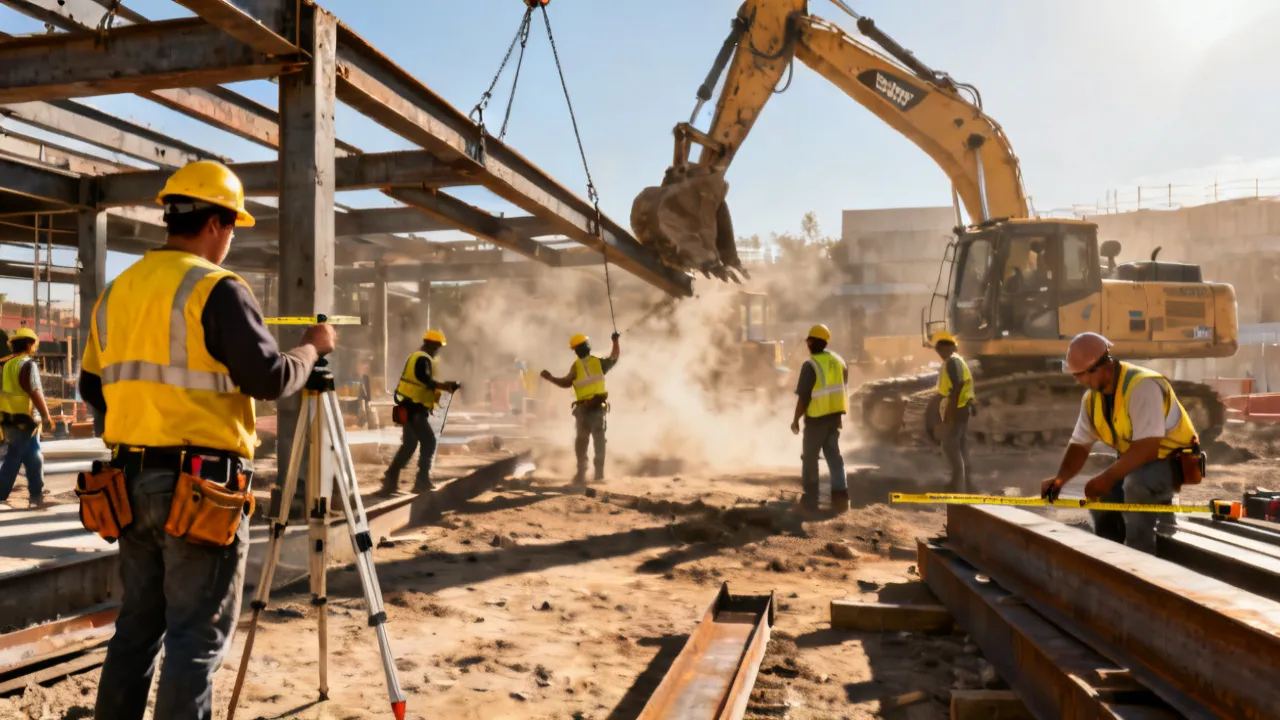
Understanding the Modern Worksite
In the fast-paced environment of industrial growth, a worksite serves as the epicenter of construction and various other project-oriented activities. With the onset of advanced technologies and innovative practices, modern worksites have evolved to encompass more than just a place for physical labor. Today, a worksite is a coordinated hub where strategic planning meets operational execution. The significance of a well-managed worksite extends beyond physical construction, as it includes the intricate web of logistics, stakeholder engagement, and the integration of modern methodologies that yield timely and quality outputs.
The Significance of Worksite Management
Effective management of a worksite is crucial for the successful delivery of projects. The key components include resource allocation, labor scheduling, compliance with safety standards, and optimization of workflows. Leadership plays a pivotal role, ensuring collaboration among all parties, from suppliers to workers on the ground. Successful worksite management is characterized by a keen awareness of project needs and timelines. For instance, resource allocation often requires utilizing software tools for project management that help track materials, equipment, and manpower, ensuring nothing is wasted and everything is in place.
Moreover, labor scheduling acts as the backbone of workforce management, allowing for flexibility and adjusting to unforeseen challenges. This dynamic scheduling can incorporate shift changes, overtime requirements, and worker rotations to prevent burnout and maintain productivity. Furthermore, setting clear communication channels helps in mitigating misunderstandings and establishes a transparent project environment. Team meetings, digital platforms, and collaborative tools become instrumental in aligning goals and expectations.
Safety Protocols in Worksites
One of the primary concerns of any worksite is safety. Implementing rigorous safety protocols can mitigate risks associated with construction and other hazardous tasks. Regular safety inspections, training programs, and adherence to local regulations are vital to create a secure environment for workers. To emphasize the importance of safety, management must engage in fostering a culture of safety that encourages workers to participate in maintaining a safe environment actively.
This involves not only training workers in recognizing hazards and using personal protective equipment (PPE) correctly but also implementing regular safety drills. These drills ensure preparedness in the event of real-life hazards, such as fires or equipment malfunctions. Additionally, accident reporting systems should be established, enabling workers to report safety concerns without the fear of repercussion. The utilization of advanced technology, such as wearable safety devices, can also enhance safety by monitoring vital signs and environmental conditions, alerting workers to potential dangers in real-time.
Integration of Technology in Worksites
Technological advancements have dramatically transformed worksite operations. The use of drones for site surveys, AI for project management, and automation for repetitive tasks are becoming standard practices. These innovations not only improve efficiency but also enhance accuracy and reduce manual errors. For instance, drones can provide aerial imagery of the worksite, enabling project managers to assess progress, identify potential hazards, and streamline inspections, all without the need for extensive manual labor.
Moreover, AI technologies can analyze large datasets to forecast project timelines and identify potential delays, enabling proactive adjustments. With the integration of Building Information Modeling (BIM), teams can collaborate on 3D models that facilitate better communication regarding project specifications and phases. This visualization helps in identifying clashes or issues early in the process, thus saving resources. Automation, ranging from robotic arms on assembly lines to software tools that handle scheduling, allows workers to focus on more complex tasks that require human intuition and creativity.
Challenges Faced by Worksites Today
Despite technological progress, worksites encounter various challenges such as labor shortages, environmental concerns, and regulatory hurdles. Navigating these issues requires strategic planning and adaptive management to ensure project deadlines and quality standards are met. The issue of labor shortages in the construction industry is particularly pressing as an aging workforce coupled with a lack of interest from younger generations exacerbates skill gaps. Employers are now seeking innovative solutions, such as training programs and partnerships with local educational institutions, to develop a skilled workforce capable of leveraging new technologies.
Additionally, increasing environmental regulations are compelling companies to adopt sustainable practices. The implementation of eco-friendly materials and energy-efficient processes is vital, not only to comply with regulations but also to meet growing public expectations for environmentally responsible construction. This shift emphasizes the need for worksites to adopt sustainability as a core principle rather than an afterthought. Furthermore, regulatory hurdles can slow down project timelines, necessitating thorough planning and engagement with regulatory bodies to streamline compliance processes.
Comparative Analysis of Worksite Practices
| Aspect | Traditional Worksite | Modern Worksite |
|---|---|---|
| Resource Management | Manual tracking | Automated systems |
| Safety Measures | Basic compliance | Advanced tech-based protocols |
| Project Execution | Linear approach | Agile methodologies |
| Communication | Face-to-face meetings | Digital collaboration tools |
| Training | On-the-job training | Virtual and specialized training programs |
| Report Generation | Manual paperwork | Automated reporting systems |
Real-World Applications and Case Studies
Successful projects worldwide are a testament to the effective management and innovative practices employed at modern worksites. Companies are adopting new strategies tailored to the specific demands of each project, which has led to significant improvements in productivity and outcomes. A prime example of these advancements is the construction of the Crossrail project in London. This massive infrastructure initiative involved the extensive use of BIM technology, which allowed for unprecedented collaboration between various contractors and stakeholders, reducing conflicts and enhancing communication.
Another illustrative case is the use of prefabrication techniques that have become prevalent among modern construction projects. This method allows for components of a building to be constructed off-site, reducing waste and accelerating construction timelines. This shift not only saves money but also minimizes the environmental impact, as on-site disruption is significantly reduced. Major players in the construction industry have begun to implement these practices to streamline processes and improve efficiency while meeting ecological standards.
Furthermore, numerous tech-centric firms are addressing the labor shortage by investing in training programs that promote skills development in construction technologies. Programs that focus on teaching the next generation about best practices in sustainability and technological integration are crucial in preparing a future workforce thoroughly equipped for modern challenges. This approach not only secures the future of the industry but also creates a more environmentally aware community of construction professionals.
Conclusion: The Future of Worksites
Looking ahead, worksites will continue to adapt to emerging trends in technology and labor practices. The adoption of smarter tools and collaborative platforms will define the industry's future, emphasizing sustainable and efficient construction practices. As regulations become more stringent and environmental concerns escalate, integrating eco-friendly practices will no longer be optional, but a requisite for commercial viability.
Additionally, with the advent of virtual reality (VR) and augmented reality (AR), training and on-site planning are set to evolve significantly. Immersive technologies will facilitate training that reflects real-life scenarios without endangering workers. Moreover, the use of big data analytics will usher in an era of predictive project management, enabling managers to foresee potential impediments and resource requirements well ahead of time.
The modern worksite is undeniably a fascinating convergence of people, technology, and innovative management strategies. As the industry propels forward, the fusion of traditional methodologies with advanced technology will likely dictate the success and sustainability of future projects, leading to a new era characterized by efficiency, safety, and environmental awareness.
FAQs
What is the role of a worksite manager?
A worksite manager oversees the day-to-day operations on-site, ensuring project goals are met efficiently and safely. They coordinate various aspects, from scheduling to compliance with safety protocols.
How have technologies improved worksite efficiency?
Technologies such as AI and automation have streamlined processes, reduced errors, and enhanced decision-making on worksites. Drones for surveying and BIM for planning exemplify advanced efficiencies gained.
What are common safety practices in worksites?
Regular training, safety audits, and compliance with health regulations are standard safety practices in worksites. Continuous communication about hazards and preventive measures fosters a culture of safety.
How do regulatory hurdles affect project timelines?
Regulatory hurdles can lead to delays by necessitating more time for permit approvals and compliance checks. Effective project management includes early engagement with regulatory bodies to minimize disruptions.
What role does sustainability play in modern construction?
Sustainability is central to modern construction practices. Fast-depleting resources and climate change concerns have prompted a push towards eco-friendly building materials and energy-efficient processes.
What training is necessary for a workforce on modern worksites?
A workforce on modern worksites requires comprehensive training in using new technologies, safety protocols, and sustainable practices. Ongoing education helps maintain a skilled labor force prepared for industry challenges.
What are the benefits of automated reporting systems at a worksite?
Automated reporting systems enhance efficiency by reducing errors associated with manual inputs, providing real-time data access, and enabling prompt decision-making, ultimately leading to increased productivity.
How can skilled labor shortages be addressed in the construction industry?
Addressing skilled labor shortages involves developing partnerships with educational institutions, offering apprenticeship programs, and emphasizing the benefits of a career in construction to attract newer generations.
What technological advances should we expect in the future of worksite management?
Future technological advances may include greater integration of AI for predictive management analytics, expansion of AR and VR for training and planning, and continued automation to enhance process efficiency.