

Understanding Modern Worksite Dynamics
This guide explores the evolving dynamics of modern worksites, reflecting the complexities of construction and industrial spaces. Traditionally characterized by physical labor, worksites are now at the forefront of technological integration, safety innovation, and productivity optimization. Delve into the core elements shaping today's worksites, including labor policies, technological advancements, and safety standards.
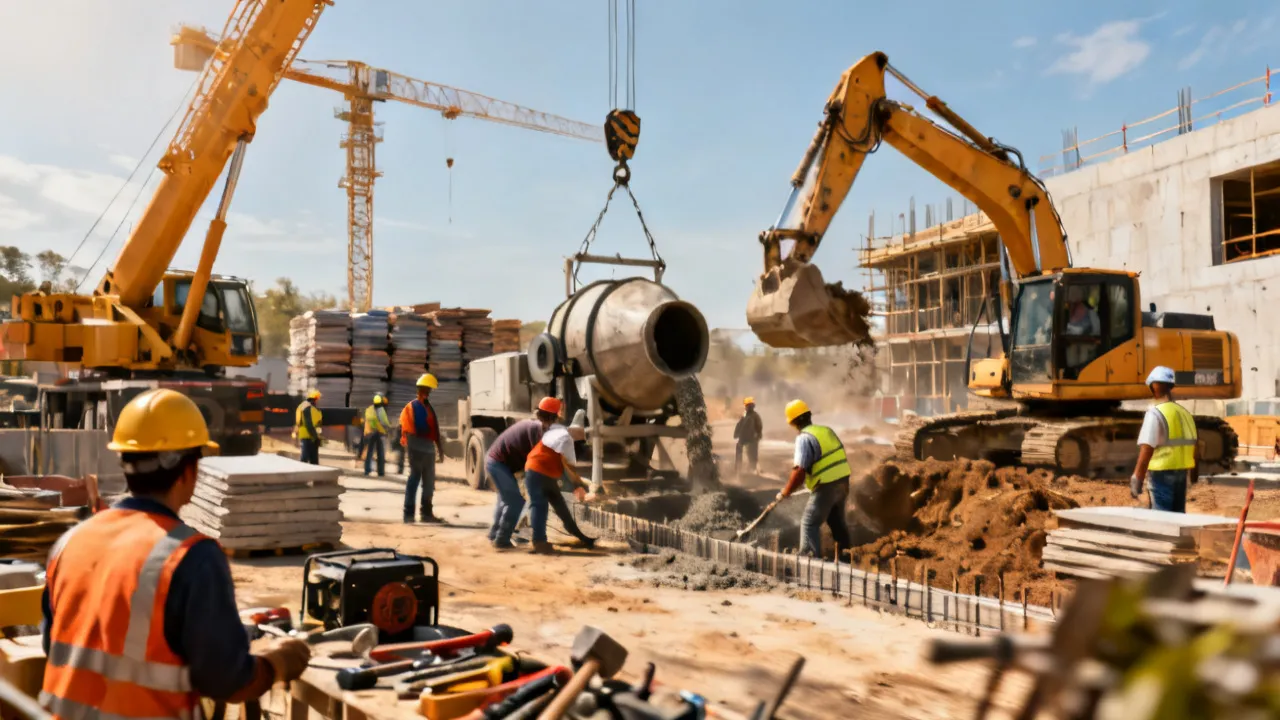
Introduction to Modern Worksite Dynamics
In today's rapidly evolving industrial landscape, the concept of a worksite has transcended beyond just a location where physical labor takes place. Modern worksites are complex hubs of logistics, technology, and human interaction. They play a crucial role in the economy by facilitating the production of goods, the erection of infrastructure, and the provision of services. As industries advance, understanding these dynamics becomes pivotal for stakeholders looking to optimize productivity and ensure safety. This deeper understanding allows for more informed decision-making, leading to sustainable growth and innovation.
Key Elements Shaping Worksite Environments
Modern worksites are dynamic environments characterized by a continual interplay of various factors. These elements not only influence daily operations but also shape long-term strategies and outcomes:
- Technological Integration: The integration of technology in worksites, including AI and IoT, is reshaping the landscape by improving precision and efficiency while reducing manual errors. Smart sensors, for example, can track equipment health, schedule maintenance, and prevent costly downtimes, thus ensuring that production is streamlined and efficient.
- Safety Standards: Strict adherence to safety protocols is paramount to protect workers and reduce liability risks. Regular training and the use of personal protective equipment (PPE) have become standard practice. Innovations in safety technology, such as wearable devices that monitor health metrics on-site, further enhance these efforts by providing real-time data to prevent accidents.
- Labor Policies: Worksite labor policies are often influenced by regional laws and agreements, ensuring fair wages, working hours, and conditions for workers. Collective bargaining agreements and labor advocacy help establish a balanced relationship between employers and employees, fostering an environment of trust and cooperation.
Comparative Analysis of Worksite Innovations
| Aspect | Traditional Worksite | Modern Worksite |
|---|---|---|
| Technology | Limited to basic machinery and manual processes. | Incorporation of AI, IoT, and automated systems that enhance productivity. |
| Safety | Basic safety protocols and minimal technological assistance. | Advanced real-time monitoring using smart technologies and comprehensive PPE. |
| Communication | Primarily verbal and manual communication methods. | Digital communication platforms that allow for real-time updates and collaboration. |
| Productivity Tools | Manual tools and machines, often leading to greater human error. | Automated and computerized systems designed to optimize performance and reduce waste. |
| Data Management | Limited data tracking and analysis, mostly through physical records. | Real-time data analytics and digital records that enhance decision-making processes. |
| Workforce Engagement | Minimal investment in employee development or satisfaction. | Focus on employee well-being and development through continuous training and integration of feedback mechanisms. |
Industry Expert Insights
Industry experts highlight a pivot towards sustainability and environmentally-conscious operations at worksites. This shift not only adheres to regulatory requirements but also fosters a positive societal impact. Many companies are now implementing practices like waste reduction, energy-efficient technologies, and responsible sourcing of materials. Furthermore, the integration of smart technologies is expected to continue advancing, influencing the design and functionality of future worksites. Experts predict that the future landscape will increasingly emphasize digital twins—virtual replicas of physical worksites for simulation and optimization—allowing for unprecedented monitoring and forecasting capabilities.
Worksite Safety: A Core Priority
The paramount importance of safety in worksite environments cannot be overstated. The implementation of comprehensive safety training programs and emergency preparedness ensures that employees operate under safe conditions, mitigating workplace hazards. Companies are now utilizing technology to enhance safety protocols, employing drones to conduct safety inspections in hard-to-reach areas or virtual reality (VR) to provide immersive safety training experiences. These methods not only improve understanding of safety procedures but also engage workers more effectively, leading to higher retention of critical safety information.
Addressing Worksite Challenges
Despite advancements, worksites still face various challenges, including labor shortages, regulatory compliance complexities, and technological adaptation. Addressing these challenges requires a strategic approach that involves all stakeholders, from policymakers to on-site workers. Labor shortages present a significant threat to productivity, prompting companies to develop more attractive work environments, raise wages, and implement flexible scheduling options to attract a younger workforce. Simultaneously, regulatory compliance is becoming increasingly complicated. As governments introduce new laws and standards regarding labor practices and environmental impacts, businesses must navigate these changes adeptly to maintain compliance without sacrificing productivity. Technological adaptation, though beneficial, often requires substantial training and adjustment periods, demanding resource allocation and commitment from management to ensure smooth transitions.
The Role of Workforce Development
A critical aspect of modern worksite evolution is the role of workforce development. Companies must invest in the continuous education and training of their employees to keep pace with technological advancements and industry changes. Effective workforce development strategies include mentorship programs, tuition reimbursement for further education, and partnerships with educational institutions to create tailored training programs. Such initiatives not only equip employees with up-to-date skills but also increase job satisfaction, fostering loyalty and reducing employee turnover. When employees feel invested in and valued, they are more likely to contribute positively to the workplace culture and drive organizational success.
Creating a Sustainable Worksite Culture
The shift towards sustainability in worksites has precipitated a larger focus on creating sustainable work culture. Organizations are now prioritizing sustainable practices not just from an environmental standpoint but as an integral component of organizational identity. This involves engaging employees on sustainability initiatives, promoting environmentally-friendly practices, and ensuring that sustainability is considered in every facet of operations. Companies like Patagonia and The Body Shop have built brands around their commitment to sustainability, demonstrating the market opportunities that can arise from eco-consciousness. Moreover, a sustainable worksite culture goes beyond just environmental responsibility; it includes social sustainability aspects such as diversity, equity, and inclusion, which contribute to a holistic approach to modern work environments.
The Future of Worksites: Anticipating Change
Looking ahead, several trends are expected to shape the future of worksites. The gig economy continues to expand, with more individuals opting for freelance or contractual work arrangements, which could alter workforce dynamics significantly. This will necessitate a reevaluation of how companies engage and manage their labor forces. Remote and hybrid working models are likely to remain prevalent, thus requiring organizations to rethink their approach to collaboration and productivity measurement. As technologies evolve, future worksite designs may integrate more flexible spaces that accommodate both in-office and remote workers, ensuring a seamless integration that enhances productivity.
Leveraging Data and Analytics for Improvement
The proliferation of data and analytics capabilities stands as a primary driver for optimizing worksite operations. Organizations can now gather vast amounts of data from various sources like machinery, employee performance metrics, and safety protocols. Leveraging this data allows companies to identify inefficiencies, forecast future needs, and make informed decisions. By implementing data-driven strategies, organizations can optimize supply chains, reduce operational costs, and improve workplace safety further. Predictive analytics, particularly, can assist in foreseeing potential safety violations or equipment failures, enabling preventative measures to be put in place proactively.
FAQs
- What are the primary components of a worksite?
- How has technology impacted worksites?
- What are the very crucial safety measures in worksites?
- How do regulatory changes affect modern worksites?
- What strategies can be employed to attract and retain the workforce in a competitive market?
The primary components include machinery, workforce, technology, safety measures, and logistics management. Additionally, aspects like teamwork, communication methodologies, and employee engagement practices increasingly play vital roles in creating a productive work environment.
Technology has streamlined operations, enhanced safety measures, and improved communication and data management across worksites. The rise of virtual collaboration tools, mobile applications for workforce management, and project management platforms have all facilitated better coordination among team members, leading to increased efficiency.
The use of PPE, adherence to safety protocols, and regular safety drills are crucial in maintaining worksite safety. Moreover, implementing a culture of safety where employees are encouraged to report hazards and provide input on safety practices is essential for fostering a safe work environment.
Regulatory changes can significantly affect modern worksites by imposing new compliance requirements that organizations must navigate. These changes often necessitate adjustments in operations, additional training for employees, and sometimes even staff increases to ensure that new laws are followed.
Attracting and retaining a workforce in a competitive market can involve offering competitive wages, flexible working conditions, professional development opportunities, and a positive workplace culture. Creating a strong employer brand, engaging in community outreach, and promoting diversity and inclusion initiatives are also strategic moves to enhance an organization's appeal.
Conclusion: As worksites evolve, they reflect broader industrial trends towards efficiency, sustainability, and enhanced worker safety. The changes in worksite dynamics offer a blueprint for future growth and innovation in industrial settings. By understanding and addressing the various elements that shape modern worksites, stakeholders can create environments that not only meet regulatory and operational standards but also foster a positive work culture that prioritizes employee well-being and engagement. Through a foundation of critical analysis and strategic planning, organizations can navigate the complexities of modern worksite environments and position themselves favorably for future challenges and opportunities.