
Mastering Modern Payroll Systems
Payroll systems have become indispensable tools in the modern business landscape, vital for efficiently managing employee compensation. These systems automate the calculation and distribution of wages, taxes, and benefits, streamlining administrative tasks and reducing the risk of errors. As digital transformation continues to reshape business operations, effective payroll systems are critical in maintaining regulatory compliance and enhancing operational efficiency.

Understanding Payroll Systems
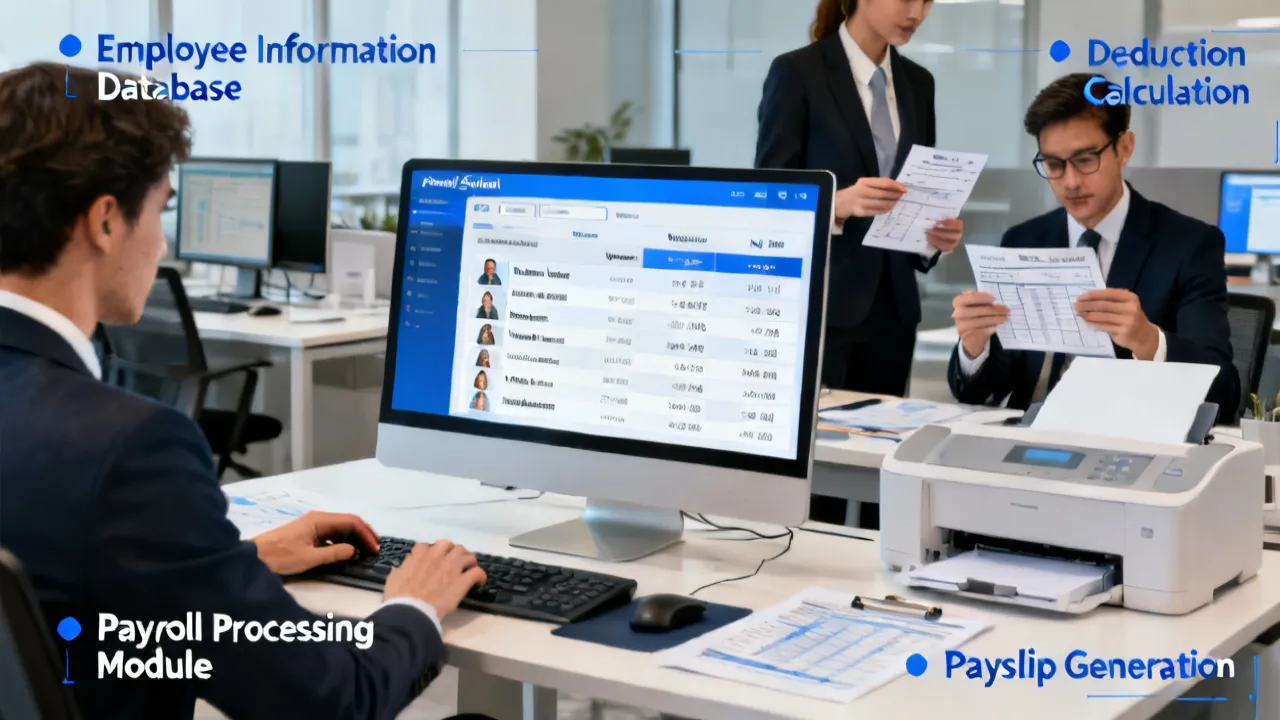
In the contemporary business ecosystem, the significance of a robust payroll system cannot be overstated. A payroll system is a software platform that helps businesses manage the process of paying their employees. This typically involves keeping track of hours worked, calculating wages, withholding taxes and other deductions, and printing and delivering checks or sending payments electronically. As businesses grow and diversify, the intricacies involved in payroll management can become increasingly complex. The adoption of modern payroll systems can help streamline these processes.
Moreover, as companies expand, they often adopt various compensation packages and benefits options that necessitate advanced payroll capabilities. The need for scalability and adaptability in payroll systems is pivotal for both small startups and large multinational organizations. In a world where remote work and flexible schedules are becoming the norm, payroll systems must be equipped to handle a diverse workforce situated in various geographic locations. This adds layers of complexity, especially in terms of compliance with differing tax regulations and labor laws.
Key Features of Payroll Systems
Modern payroll systems are highly sophisticated and equipped with features designed to streamline the payroll process. Key features include:
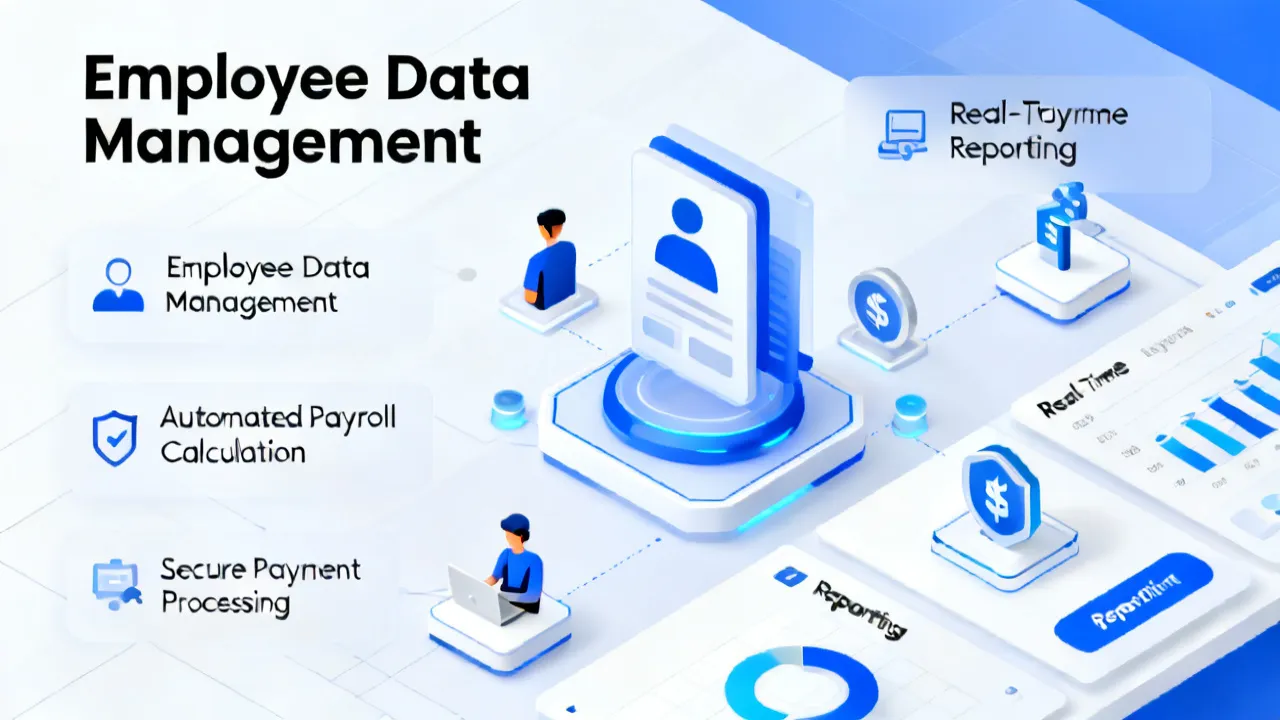
- Automation: Payroll systems automate the process of calculating wages and tax withholdings, reducing the burden on human resources personnel. This automation not only speeds up the payroll cycle but also minimizes the risk of errors associated with manual data entry.
- Scheduled Payments: The ability to set schedules ensures that employees are paid promptly, enhancing company morale and trust. Having predictable pay periods can lead to increased job satisfaction among employees.
- Tax Compliance: These systems are updated regularly to align with national and local tax laws, ensuring compliance and reducing the risk of penalties. Payroll systems often automatically recalibrate payroll tax rates, reflecting changes in legislation almost instantly.
- Reporting: Comprehensive reporting features allow businesses to generate payroll records quickly and efficiently for audits or strategic planning. This includes insights into labor costs, turnover rates, and employee compensation metrics, which can drive informed business decisions.
- Employee Self-Service Portals: Many payroll solutions now offer self-service capabilities where employees can view their pay stubs, request time off, and make changes to their direct deposit information. This functionality eases the workload on HR departments and empowers employees.
- Integration with Other Software: Seamless integration with accounting software, HR management systems, and time-tracking tools enhances the overall efficiency of payroll processing. This ensures that all aspects of employee management are connected, leading to consistent data across all platforms.
Benefits of Implementing a Payroll System
Integrating a payroll system into a business can yield numerous benefits, significantly boosting efficiency and accuracy:
- Time Efficiency: Automating payroll tasks can free up HR departments, allowing them to focus on strategic initiatives rather than day-to-day administrative duties. For instance, the time spent on calculating payroll can be redirected towards talent management and employee engagement strategies.
- Error Reduction: Automated calculations reduce human error, ensuring that employees receive the correct pay and that tax calculations are accurate. Even minor miscalculations in payroll can lead to significant trust issues among staff, hence accuracy is paramount.
- Cost Savings: By minimizing errors and improving efficiency, payroll systems can lead to substantial cost savings for companies of all sizes. Organizations often find that the initial investment in a payroll system pays for itself through reduced labor costs and fewer penalties.
- Enhanced Security: Payroll systems provide secure storage of sensitive employee data, employing encryption and secure access protocols. Given the increasing amount of data breaches today, safeguarding this information is crucial to maintaining confidentiality and trust.
- Regulatory Compliance: By keeping track of ever-changing labor laws and taxation requirements, payroll systems can help businesses stay compliant. This reduces the risk of legal complications or fines related to employee compensation and benefits.
- Access to Analytics: Modern payroll systems often come equipped with analytical tools that allow business owners to evaluate wages against performance metrics, enabling a more strategic approach to compensation and resource allocation.
Choosing the Right Payroll System
Selecting the right payroll system for a business is a crucial decision that requires careful consideration of various factors:
- Company Size: Larger enterprises may require more sophisticated systems with additional features, whereas smaller businesses might opt for simpler, more cost-effective solutions. Understanding the specific needs based on employee count and complexity of payroll requirements is vital.
- Industry Requirements: Certain industries may have unique payroll needs, such as tip management in the hospitality industry or complex commission structures in sales. Tailoring your payroll system to fit industry-specific requirements can enhance functionality and compliance.
- Integration Capabilities: Ensuring compatibility with existing software and accounting systems is vital for seamless operations. A payroll system that doesn’t integrate well can lead to data silos, disconnects, and potential errors.
- Customer Support: Reliable customer support can be crucial, especially during the initial setup and any subsequent troubleshooting. Look for vendors with extensive resources, including training sessions, support forums, and responsive customer service teams.
- Cost: Analyze both the upfront costs and the long-term investment. Some systems may offer monthly subscriptions, while others might require a one-time purchase. Additionally, consider potential hidden costs associated with payroll processing fees, extra features, and customer support.
- User Interface and Experience: The ease of use of a payroll system is foundational. A user-friendly interface helps reduce the learning curve for HR staff and fosters better engagement with the tool across the business.
Comparison of Leading Payroll Systems
Below is a table comparing some of the leading payroll systems, highlighting their key features and suitability for various business sizes:
| System | Key Features | Suitable for |
|---|---|---|
| ADP | Comprehensive payroll, tax compliance, advanced reporting tools | Large enterprises |
| Gusto | User-friendly, benefits administration, automation | Small to medium businesses |
| Paychex | Robust reporting, flexible payment options, HR support | Growing businesses of various sizes |
| QuickBooks Payroll | Integration with QuickBooks, simple interface, automated taxes | Small to medium businesses |
| Xero | Online accounting, payroll processing, multi-currency support | Small businesses and freelancers |
| Zenefits | Integrated HR functions, benefits management, employee self-service | Small to medium businesses |
Conclusion
In conclusion, a well-chosen payroll system can revolutionize the way a company manages its greatest asset—its employees. As businesses strive to navigate the complexities of modern regulatory environments and maintain employee satisfaction, investing in an efficient payroll system is essential. By automating critical functions and minimizing errors, these systems not only streamline operations but also enhance overall workplace productivity.
Moreover, understanding the specific features and benefits of various systems empowers business leaders to make informed decisions that align with their organizational goals. With the right payroll system in place, a company can not only ensure that its payroll is compliant and accurate but can also leverage data to better understand employee needs and behaviors, fostering a more engaged and motivated workforce.
FAQs
What is a payroll system?
A payroll system is a platform that automates the process of managing employee paychecks, tax filings, and other financial obligations related to employee compensation. It serves as a central hub for processing financial transactions related to payroll, making it easier for businesses to manage these tasks efficiently.
Why is tax compliance important for payroll systems?
Tax compliance is vital to avoid legal penalties, ensure accurate financial representation, and adhere to national and regional tax regulations, thus safeguarding the business's reputation and finances. Non-compliance can lead to audits, fines, and damages to a company's credibility and reputation.
How frequently should payroll systems be updated?
Payroll systems should be updated regularly to align with changes in tax laws, adjust to technological advancements, and incorporate new business requirements. Frequent updates can ensure that businesses do not fall behind in compliance and can take advantage of improved functionalities.
Can small businesses benefit from payroll systems?
Absolutely! Payroll systems can simplify complex calculations and compliance issues for small businesses, freeing up time and resources to focus on growth and strategic planning. Additionally, the accuracy and efficiency offered by these systems can significantly improve employee satisfaction through timely and correct payments.
What considerations should be made when assessing payroll software?
When assessing payroll software, businesses should consider functionality, ease of use, customer support, integration capabilities, and cost structure. These factors will help determine the best fit for the specific needs of the company, ensuring that the chosen solution supports growth and efficiency in payroll management.
Are there payroll systems specifically designed for remote work?
Yes, many modern payroll systems are designed to cater to remote work environments, offering features that handle multi-state taxation and international compliance. Ensuring that payroll is managed effectively, regardless of an employee’s location, is crucial for businesses in the evolving landscape of work.
How does payroll software facilitate employee record-keeping?
Payroll software often includes a secure digital storage system for employee records, allowing HR teams to maintain up-to-date information on salaries, benefits, tax documents, and performance evaluations. This centralized record-keeping helps in streamlining audits, onboarding, and employee communications.
What role do mobile applications play in payroll systems?
Mobile applications play a crucial role in modern payroll systems by granting employees access to their pay information from anywhere, anytime. These applications can provide functionalities such as tracking hours worked, viewing pay stubs, and submitting requests for leaves, contributing to a more engaged workforce.
Can payroll systems handle multiple compensation structures?
Yes, most modern payroll systems can manage multiple compensation structures, such as hourly wages, salaries, commissions, and bonuses. With built-in flexibility, they can accommodate complex payment setups specific to different roles within a company.
Is outsourcing payroll a viable alternative to using software?
Outsourcing payroll can be a viable alternative for businesses, especially those that prefer to focus on core operations rather than administrative tasks. However, weighing the cost against the benefits of in-house systems is essential to determine the best approach for each organization.
What kind of training is necessary for employees to use payroll systems effectively?
Training requirements can vary based on the complexity of the payroll system. Generally, comprehensive training modules that cover navigation, generating reports, and troubleshooting common issues are beneficial. Hands-on sessions with support from the software provider can also enhance employee confidence and competence.
Can payroll systems assist with employee benefits management?
Many payroll systems include modules for benefits management, allowing employers to manage health benefits, retirement plans, and paid time off (PTO) options seamlessly within the same platform. This integrated approach helps maintain accurate records and simplifies administrative tasks.
What future trends are expected in payroll systems?
The future of payroll systems will likely focus on further integration with emerging technologies, like artificial intelligence and machine learning, to enhance predictive analytics and automate workflows. Additionally, there will likely be a continued emphasis on user experience, ensuring that payroll systems are more intuitive and self-directed.
In summary, how do payroll systems significantly impact overall business operations?
Payroll systems play a vital role in overall business operations by ensuring timely and accurate compensation, managing regulatory compliance, and providing insights that drive more strategic HR decisions. Furthermore, a robust payroll system reduces administrative burdens, allowing organizations to focus on their core mission and enhancing employee engagement and morale.