
Understanding Advanced Payroll Systems
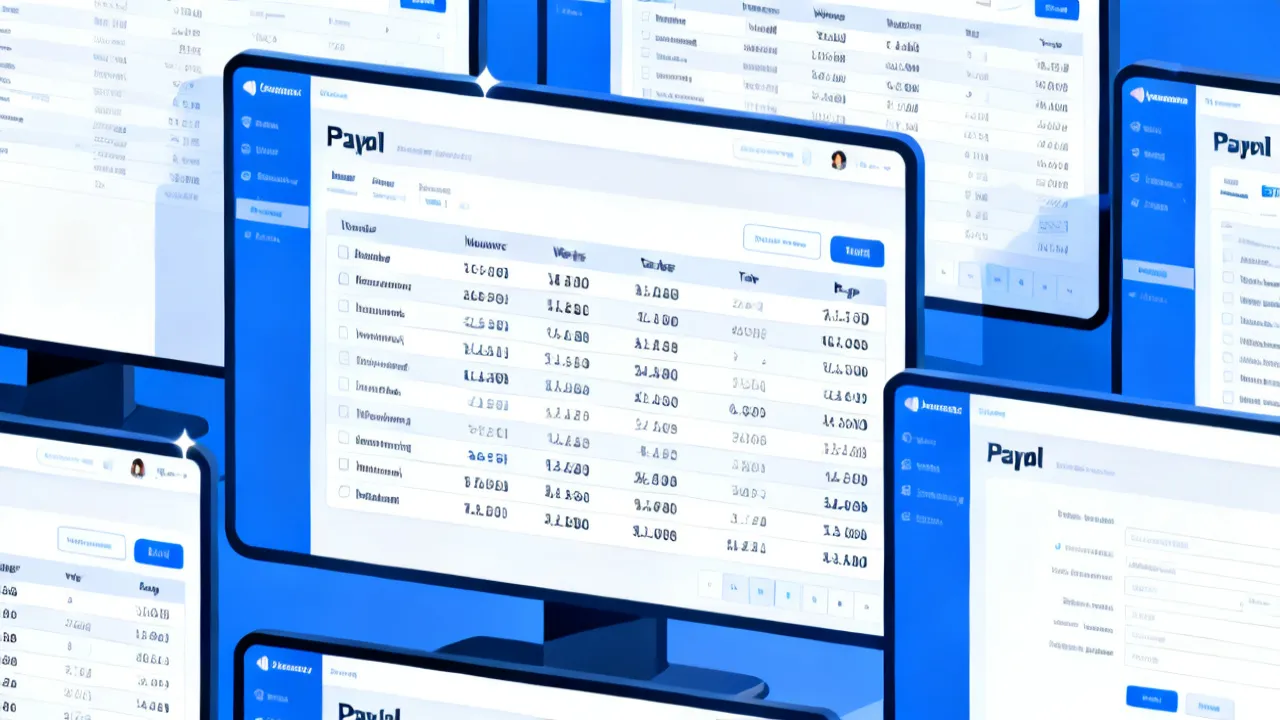
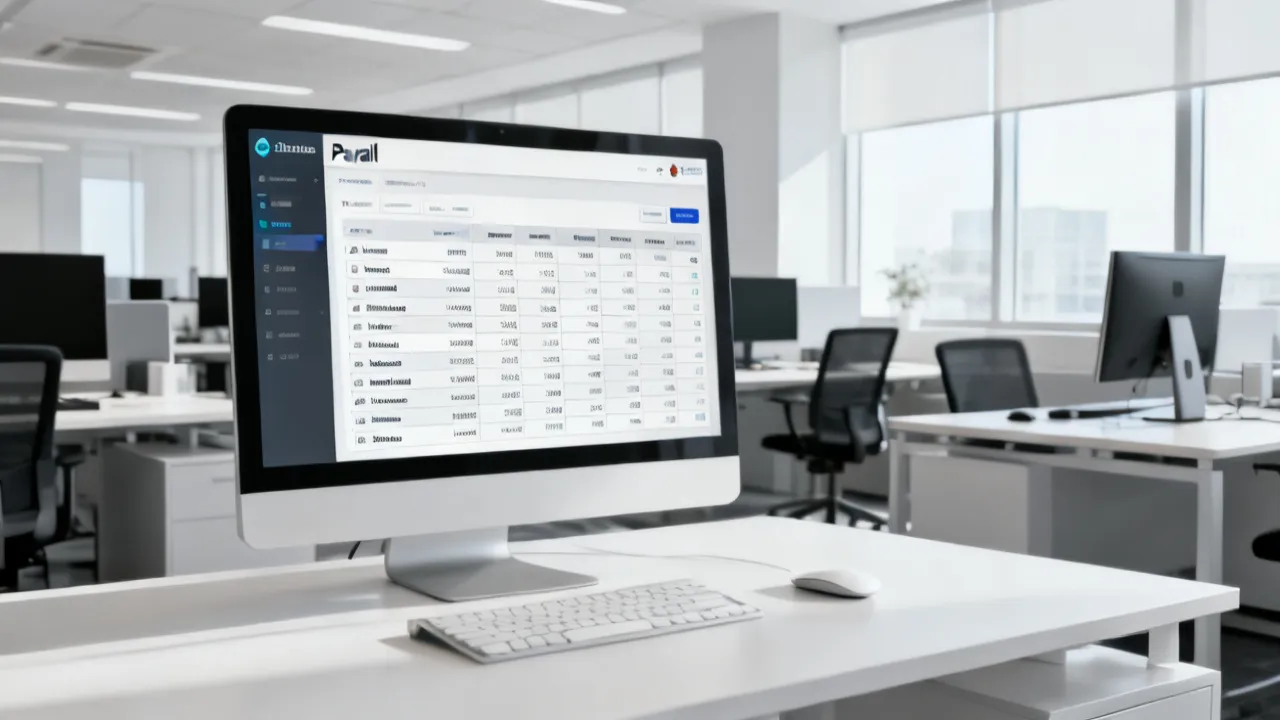
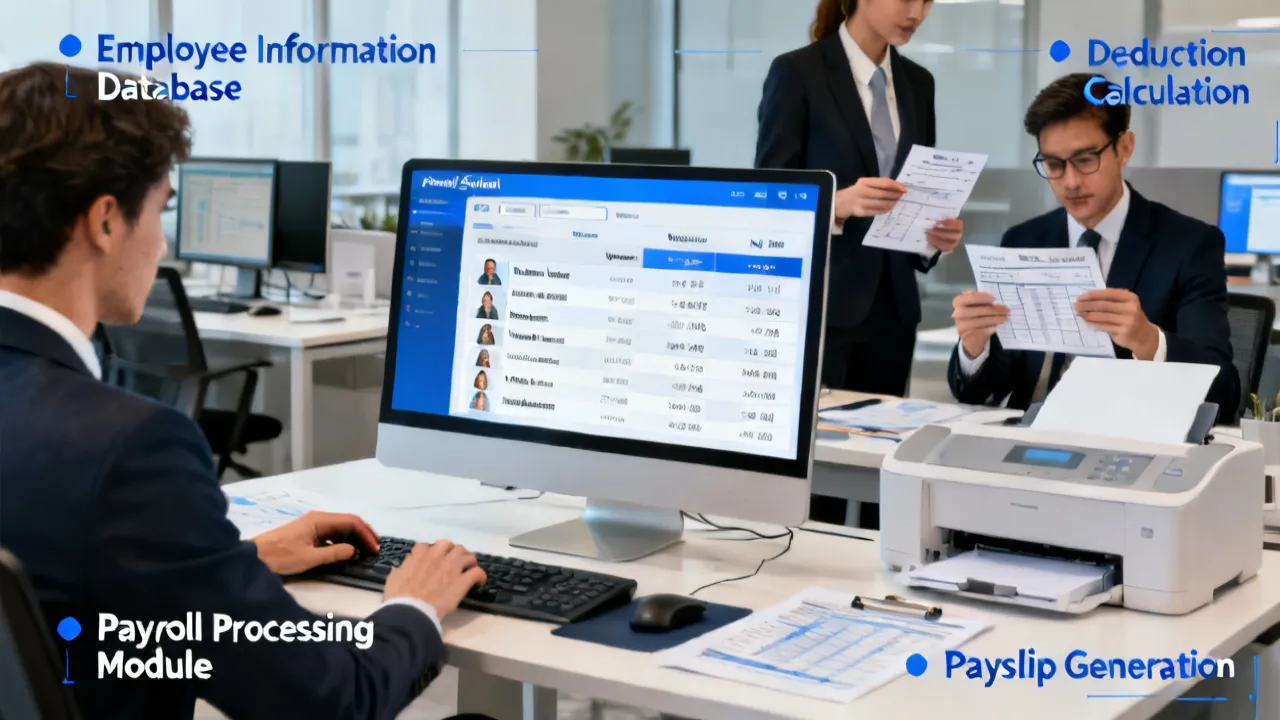
Payroll systems are comprehensive solutions designed to streamline and automate employee payment processes. These systems encompass everything from calculating wages, deducting necessary taxes, to managing compliance with labor laws, all while offering a user-friendly interface. Modern payroll systems integrate seamlessly with other business software, ensuring accurate and efficient financial management.
Exploring the World of Payroll Systems
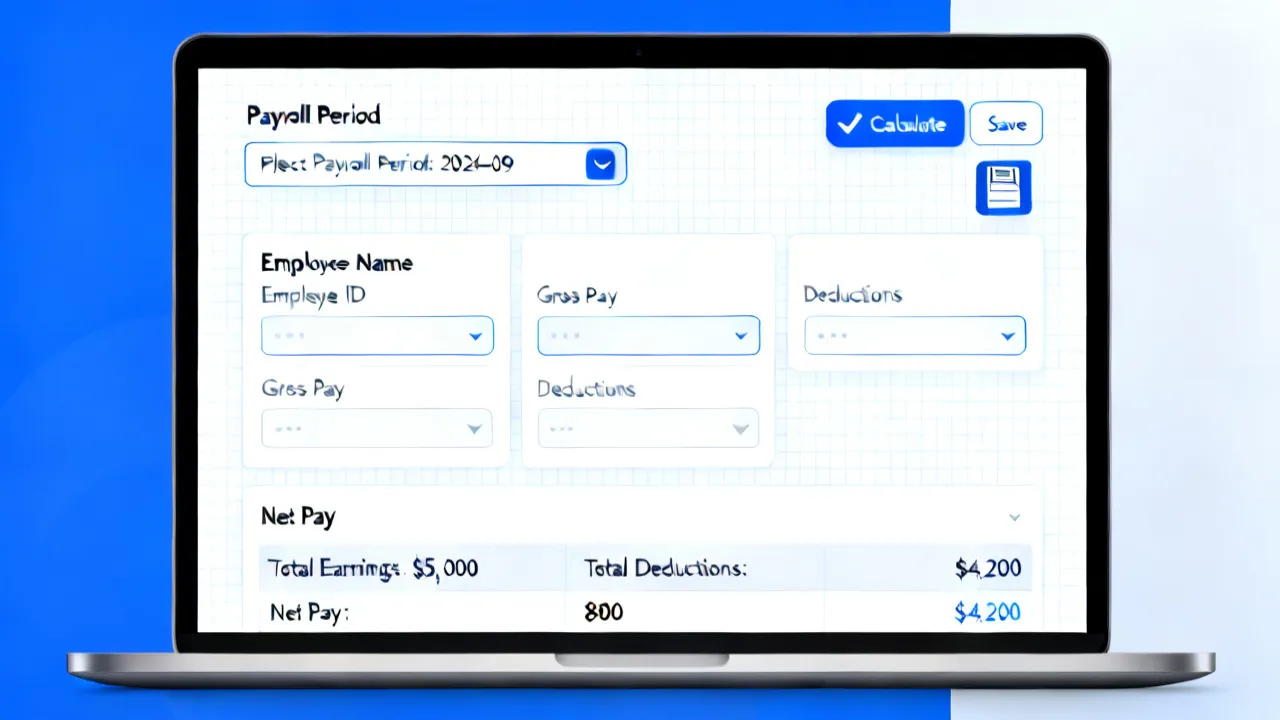
The advent of sophisticated payroll systems has revolutionized the way businesses manage employee compensation. From small startups to large enterprises, having a reliable payroll system is crucial for ensuring accuracy, compliance, and efficiency in financial operations. These platforms automate critical tasks such as wage calculations, tax deductions, and the management of employee benefits, thereby reducing the margin for error and affording valuable time for HR professionals.
As the workforce becomes increasingly diverse and regulations more complex, the role of payroll systems has expanded beyond basic payroll functions. They now offer comprehensive solutions that encompass a wide variety of interconnected processes, improving not only payroll management but also overall employee engagement and experience. Organizations can take advantage of technological advancements to create streamlined systems that can handle everything from compensation calculations to benefits management and performance monitoring.
Key Features of Modern Payroll Systems
Today's payroll systems come equipped with a wide array of features aimed at simplifying the compensation process. This transformation has rendered them indispensable for managing workforce-related finances. Key components include:
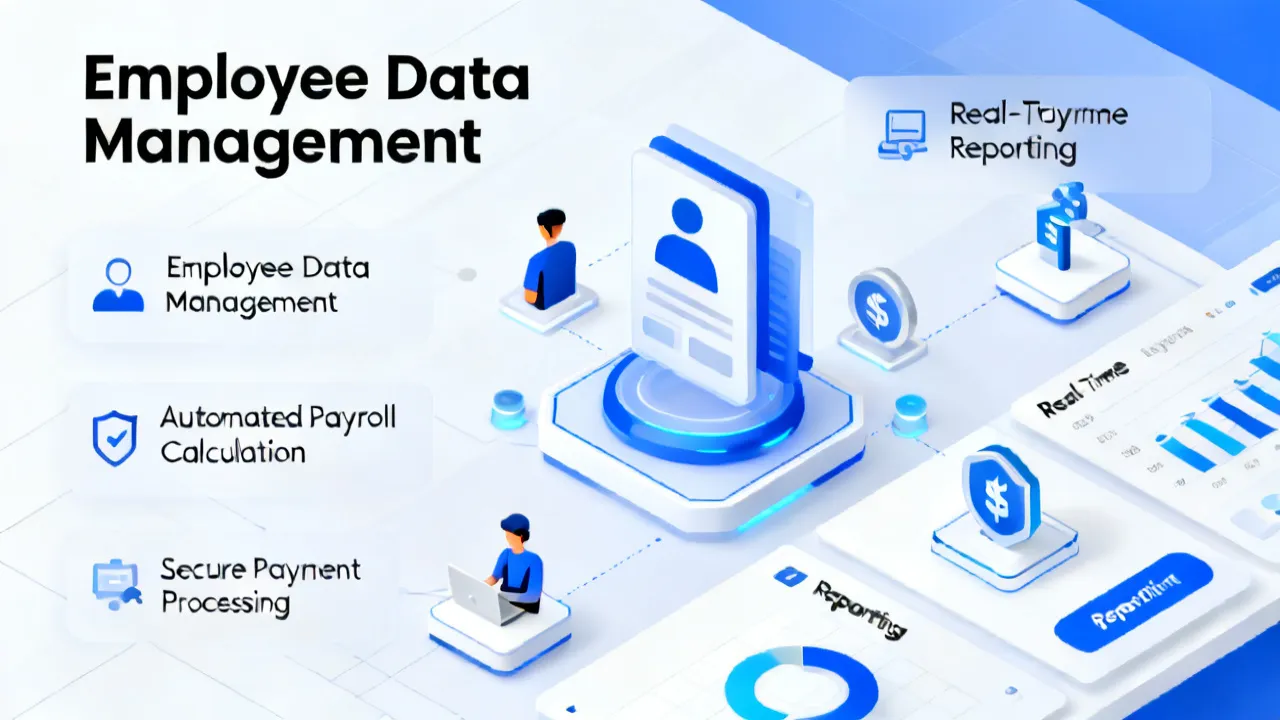
- Automated Calculations: Payroll systems automatically calculate wages based on hours worked, overtime, bonuses, and other factors, ensuring prompt and precise payments. Real-time calculation capabilities mean that as changes occur (e.g., overtime hours, commission-based earnings), they are immediately reflected in payroll processing.
- Tax Management: These platforms handle the intricacies of tax computations, deductions, and filing, helping businesses remain compliant with federal and state regulations. They update automatically in response to tax law changes, reducing the burden on businesses to manually adjust and stay informed.
- Integration Capabilities: Modern solutions integrate smoothly with time tracking, accounting, and HR software, creating a cohesive ecosystem for managing all financial records. This synchronization not only enhances accuracy but also facilitates easier data retrieval and reporting.
- Employee Self-Service Portals: Many payroll systems offer self-service options, allowing employees to access their pay stubs, tax documents, and manage personal details effortlessly. This feature not only empowers employees but also reduces the administrative workload on HR departments.
- Mobile Accessibility: With the rise of remote work, many payroll systems now offer mobile applications, enabling employees to check their pay, leave balances, and tax information from anywhere, which increases convenience and transparency.
- Reporting and Analytics: Advanced reporting features allow businesses to generate in-depth reports on payroll expenses, employee hours, and compliance status, helping organizations to make informed decisions based on data-driven insights.
Why Businesses Need Effective Payroll Systems
An efficient payroll system not only ensures timely employee payments but also provides numerous benefits to businesses, such as:
- Cost Efficiency: Streamlining payroll processes reduces administrative overhead and minimizes the risk of costly errors. Automating manual processes leads to a reduction in labor costs associated with payroll management.
- Compliance Assurance: Automated updates on tax laws and regulations keep businesses compliant, thus avoiding penalties. This feature also relieves businesses from the stress of keeping track of frequent changes in legislative requirements.
- Data Security: Protects sensitive employee information with advanced encryption and secure data storage practices. Modern systems utilize multi-factor authentication protocols to further ensure data safety.
- Scalability: Scalable solutions cater to the growing needs of organizations as they expand, enabling easy addition of employees and modifications to benefit packages. Small businesses can start with basic features and gradually adopt more functionality as their needs increase.
- Employee Satisfaction: By ensuring timely and accurate payments, payroll systems contribute to improved employee morale. Employees are generally more engaged when they feel their contributions are recognized, and part of that recognition comes from receiving accurate compensation on time.
Implementing a Payroll System: A Step-by-Step Guide
Transitioning to a new payroll system requires careful planning and execution. Follow these steps for a successful implementation:
- Needs Assessment: Evaluate your organization's specific payroll requirements to select the most suitable system. Consider factors such as the size of your workforce, complexity of payroll calculations, and budget constraints.
- System Selection: Compare different payroll solutions and choose one that aligns with your business needs and budget. Investigate customer reviews, seek demonstrations, and ensure the system's scalability matches any growth plans.
- Data Migration: Transfer all relevant employee information to the new system accurately to avoid discrepancies. A plan should be in place to ensure all historical payroll data is correctly migrated, as well as verifying the accuracy post-transfer.
- Training and Support: Provide comprehensive training for your HR team and establish support channels to assist in the transition. Training should be tailored to different user roles, ensuring everyone understands how to effectively use the new system.
- Ongoing Evaluation: Post-implementation, assess the system's efficiency and make necessary adjustments based on user feedback. Continually monitoring the system's performance allows an organization to adapt to any unforeseen challenges or evolving business needs.
Comparison of Popular Payroll Systems
| Payroll System | Feature Set | Pricing Structure |
|---|---|---|
| System A | Advanced automation, tax compliance, and multi-user support; integrates with existing HR systems for seamless operation. | Monthly subscription based on number of employees, with additional fees for premium features. |
| System B | Cloud-based, integration with popular accounting software, mobile access for users; user-friendly interface for non-technical users. | Flat fee per payroll period, offering predictability in budgeting. |
| System C | Customizable reports, extensive customer support, and training resources; preferred among businesses that require detailed analytical capabilities. | Tiered pricing with additional charges for extra features; caters to diverse business sizes and needs. |
FAQs on Payroll Systems
- What is a payroll system? A payroll system is a software solution designed to streamline the process of compensating employees by automating wage calculation, tax management, and record keeping. This reduces manual interventions and enhances data accuracy.
- How do payroll systems enhance business compliance? Payroll systems keep businesses compliant by automatically applying updates to tax rates and labor laws, ensuring all calculations and deductions align with current regulations. Detailed audit trails and reports can also facilitate compliance audits and inspections.
- Can payroll systems integrate with other business software? Yes, many modern payroll systems offer seamless integration capabilities with existing HR, accounting, and time-tracking systems, allowing for a unified workflow and eliminating the need for duplicate data entry.
- How secure is employee data in payroll systems? Leading payroll systems employ multiple layers of security, including encryption, access control, and regular security audits. Data breaches are minimized through adherence to industry best practices and compliance with regulations such as GDPR and CCPA.
- What should companies look for in a payroll provider? Businesses should evaluate the provider's industry reputation, customer support services, scalability options, ease of use, and overall cost. Consideration for future growth and changes in the labor landscape can also play a critical role in this decision.
The Future of Payroll Systems
As technology continues to evolve, so too do payroll systems. In the coming years, we can expect further innovations that will enhance their utility and effectiveness. Some potential developments may include:
- Artificial Intelligence: The integration of AI in payroll systems could lead to predictive analytics that forecast payroll expenses and trends based on historical data, which can assist businesses in budget planning.
- Blockchain technology: Employing this technology may enhance security and transparency in payroll operations. It can create tamper-proof records of transactions, building trust and accountability among employees.
- User-Centric Design: There will be an increasing emphasis on user experience (UX), ensuring platforms are intuitive and accessible. This includes mobile-friendly designs that cater to the growing remote workforce.
- Expanded Global Capabilities: As businesses continue to operate in an increasingly global environment, payroll systems will likely enhance their capabilities to handle multi-currency, multi-lingual payroll processing and compliance with a range of international labor laws.
Conclusion
In sum, the strategic implementation of a robust payroll system can significantly enhance a business's efficiency, accuracy, and compliance. By selecting a solution that meets specific organizational needs, businesses can streamline their payroll operations and contribute to a happier, more productive workforce. The ever-changing regulatory landscape underscores the importance of choosing the right payroll system, one that not only addresses immediate operational needs but also positions the business for future growth and adaptability.
Ultimately, payroll systems serve as the backbone of sound financial management, influencing not only internal processes but also employee satisfaction and retention. As companies navigate the complexities of modern employment practices, investing in a sophisticated payroll system will enable them to focus on what truly matters—growing their business and nurturing their workforce.