
Understanding Modern Payroll Systems
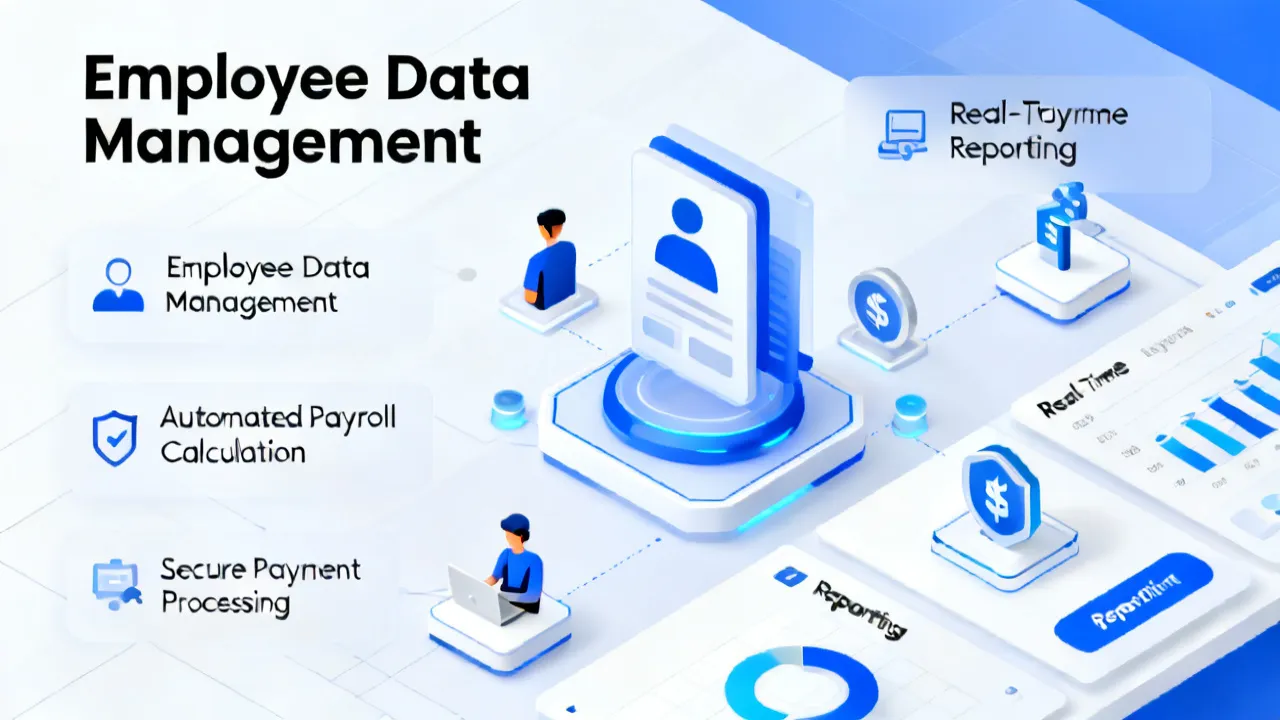
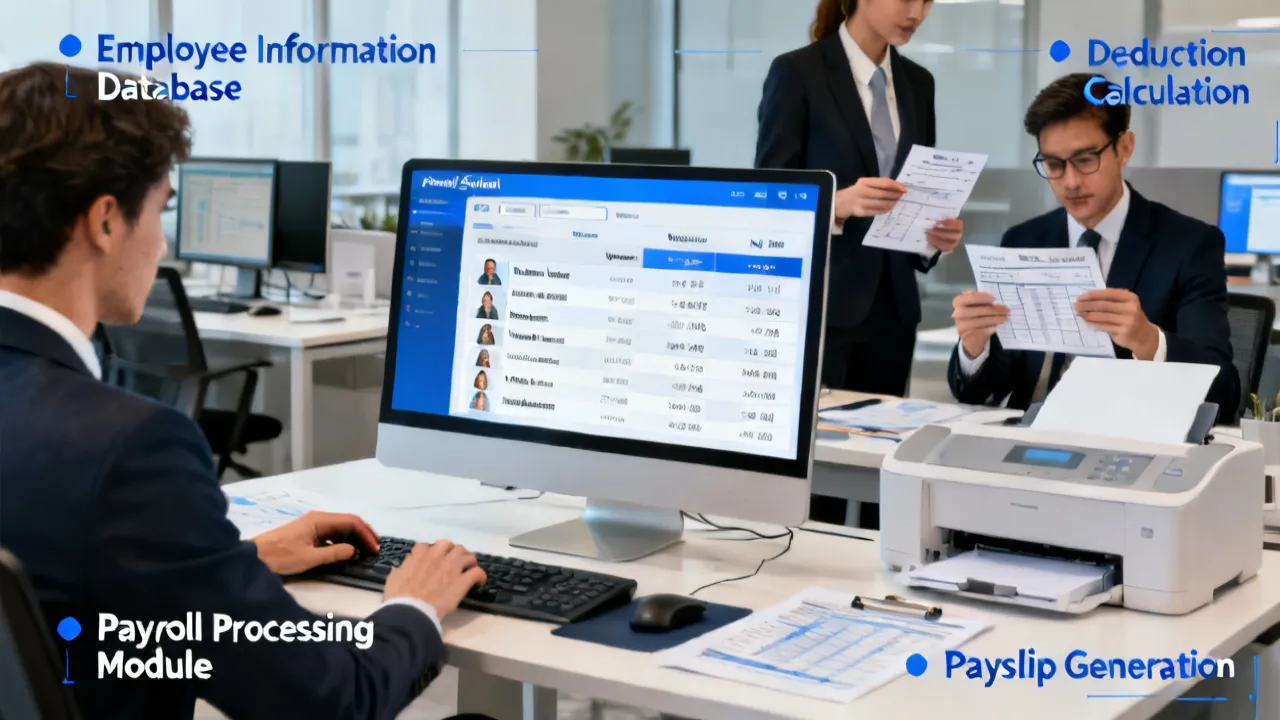
This guide delves into contemporary payroll systems, crucial for efficient business operations. Payroll systems are essential tools for managing employee compensation, tax calculations, and benefits administration. Implementing a streamlined payroll system aids businesses in reducing errors, ensuring compliance, and enhancing overall productivity and employee satisfaction.
Introduction to Payroll Systems
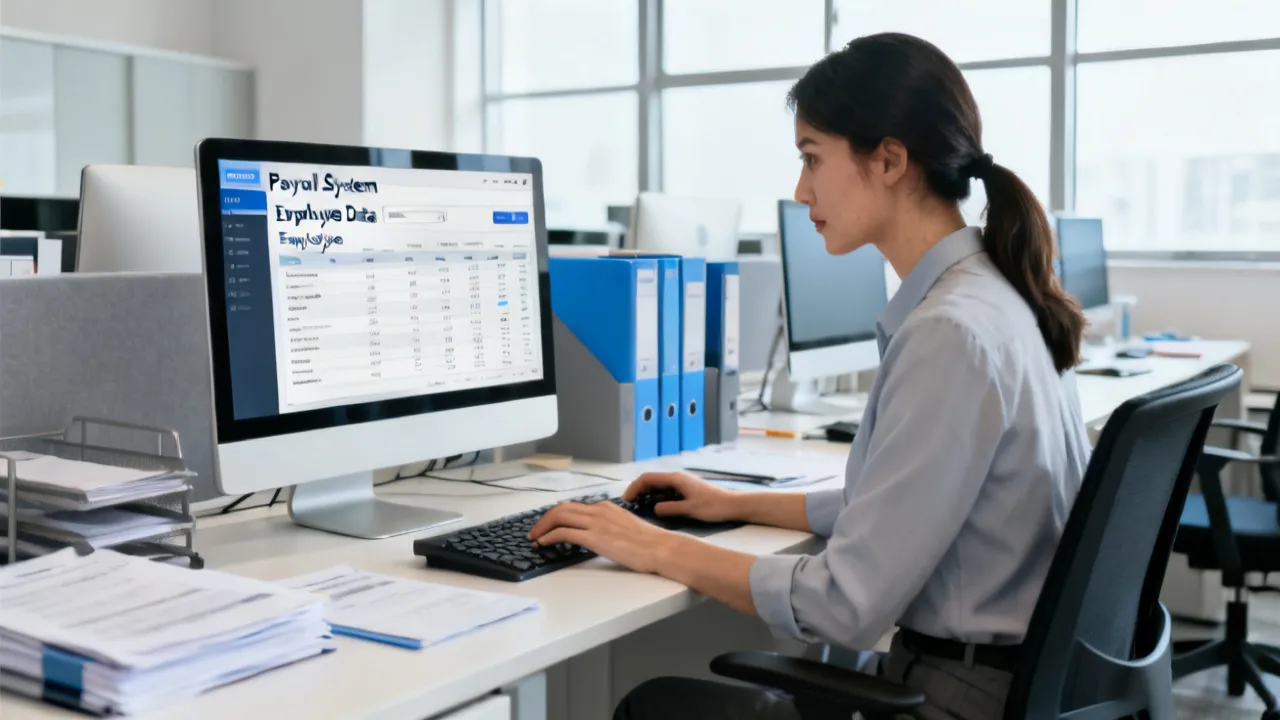
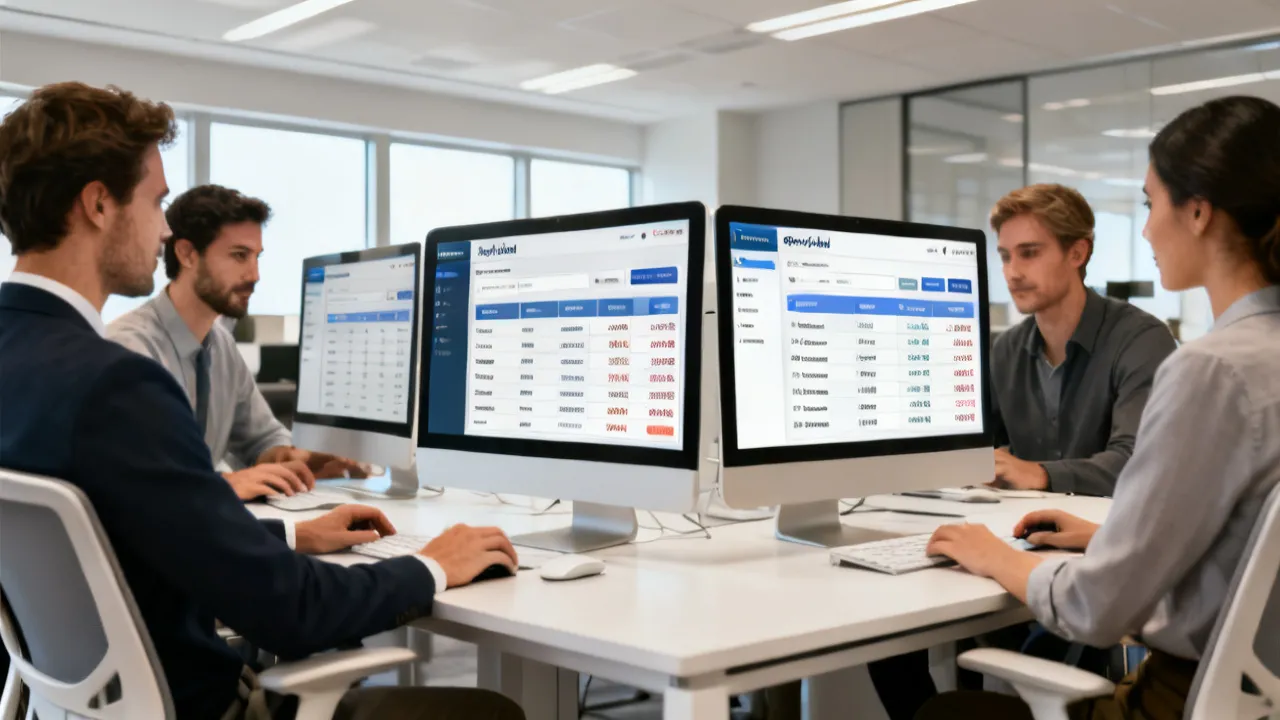
In today's fast-paced business environment, managing employee compensation effectively is crucial for any organization. A payroll system is a software tool designed to streamline the process of paying employees, ensuring accurate and timely compensation while maintaining compliance with tax regulations. Such systems have become indispensable for companies seeking to enhance operational efficiency. As organizations grow, the complexity of payroll management increases, making a reliable and comprehensive payroll system more important than ever.
The Importance of Payroll Systems
An efficient payroll system not only automates routine tasks but also reduces the likelihood of errors that could lead to significant financial liabilities. Payroll errors such as incorrect calculations or missed deadlines can result in penalties or employee dissatisfaction. By facilitating timely payments, payroll systems help maintain employee morale and trust. Employees who know they will receive their pay on time are generally happier and more productive in their roles. Moreover, these systems ensure compliance with legal and tax obligations, mitigating the risk of penalties and legal issues that could arise from mismanagement. A well-implemented payroll system is an asset, enabling human resource departments to focus on strategic decision-making rather than administrative duties. This shift allows HR professionals to spend more time on initiatives that can drive business growth, such as talent acquisition, employee engagement, and performance management. Thus, payroll systems ultimately contribute to a healthier workplace culture.
Key Features of Payroll Systems
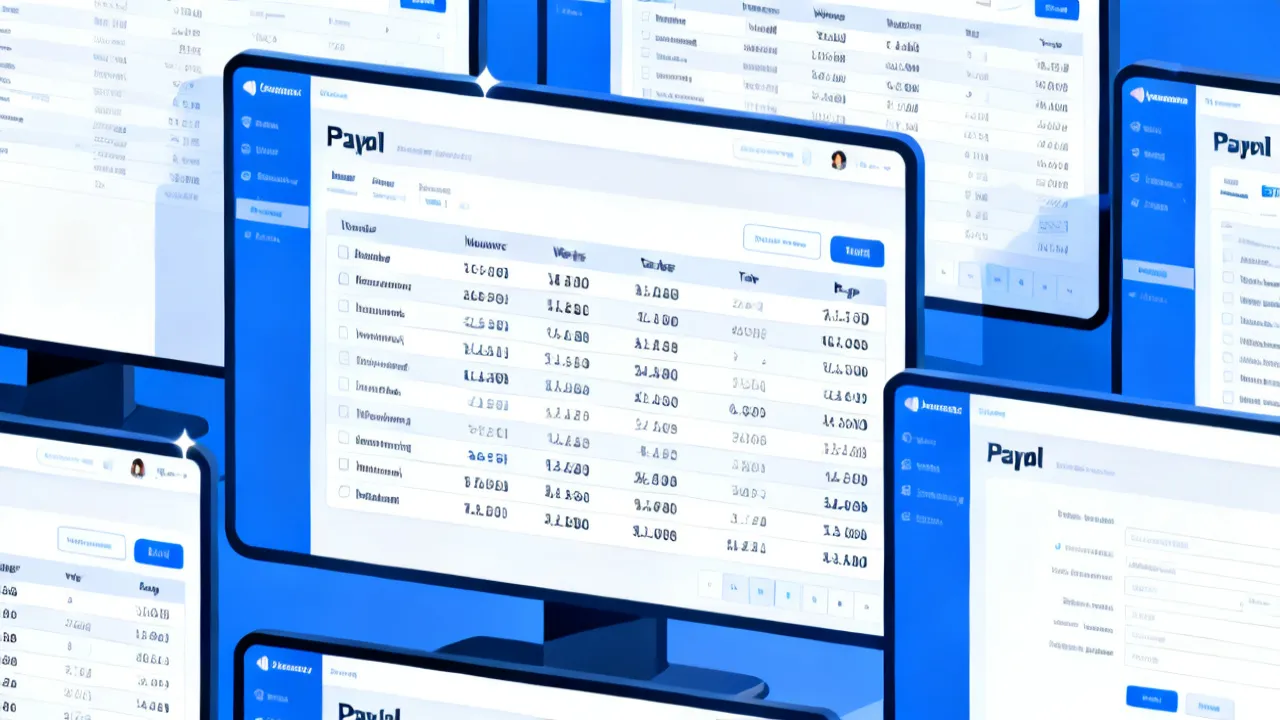
Modern payroll systems offer a wide array of features that cater to different organizational needs. These include:
- Automated Calculations: Automatic computation of payroll taxes, contributions, and deductions mitigates errors that can occur with manual input. Precise calculations ensure employees are taxed correctly and receive the appropriate net pay.
- Direct Deposit: This feature facilitates secure and timely salary deposits into employee bank accounts, enhancing convenience and reducing the risk associated with physical checks.
- Tax Compliance: Payroll systems keep up with ever-changing tax laws to ensure adherence to regulations, thus safeguarding businesses from audits or penalties.
- Reporting and Analytics: Comprehensive reports on payroll expenses and employee compensation help organizations track labor costs and understand compensation trends across departments and job functions.
- Employee Self-service Portals: Allowing employees to access their payment information and make adjustments to tax withholdings not only empowers employees but also reduces the workload on HR staff.
Additional features that are increasingly becoming standard in payroll systems include:
- Mobile Access: Many payroll providers now offer mobile applications, allowing employees to view their pay stubs and tax documents directly from their smartphones or tablets.
- Customizable Reporting: Organizations can generate reports tailored to their specific needs, facilitating data analysis for decision-making.
- Time Tracking Integration: Built-in or integrated time tracking systems ensure accurate reporting of hours worked, facilitating precise payroll calculations.
Considerations for Choosing Payroll Systems
When selecting a payroll system, businesses must assess their specific needs and choose software that aligns with their organizational goals. Key considerations include:
- Cost: Evaluate budgetary constraints carefully and opt for a system that provides value without compromising essential features. Consider whether the pricing model aligns with your business size and nature, as there are systems better suited for small businesses compared to large enterprises.
- Scalability: Ensure the system can grow alongside the business, accommodating an increasing number of employees and the complexity of operations that might arise with expansion.
- Integration Capabilities: The ability to integrate with existing HR and accounting software enhances overall efficiency. Investigate which platforms the payroll system can sync with and assess potential disruptions during the transition.
- Customer Support: Reliable support services are crucial for troubleshooting and maximizing system utility. Test the responsiveness of customer service during the vendor selection process.
- User-friendliness: An intuitive interface minimizes the learning curve and enhances user experience. Request demos or trials to ensure the system is easy for payroll administrators to navigate.
In addition to these considerations, businesses should contemplate data security and compliance approaches. Understanding how the vendor protects sensitive information and what measures are in place for data recovery can be vital in safeguarding company and employee data.
The Transition to Digital Payroll
The shift from manual to digital payroll systems marks a significant leap forward in business operations. Traditional paper-ledger systems are quickly being replaced by digital platforms that provide cloud-based solutions, enhancing accessibility and real-time data processing. This flexibility allows businesses to operate more efficiently, even with remote or dispersed workforces. With the rise of remote work, digital payroll systems have become even more important, enabling companies to ensure that employees can access their payroll information, regardless of their physical location.
Organizations transitioning to digital payroll often experience numerous benefits, including:
- Increased Efficiency: Digital payroll systems significantly speed up processing times, decreasing the amount of time spent on payroll tasks and allowing HR personnel to focus on more strategic initiatives.
- Enhanced Accuracy: The automation of calculations and reporting helps reduce human errors, ensuring that payroll is processed accurately. This leads to greater employee satisfaction and less time dealing with corrections.
- Improved Security: Digital systems often employ state-of-the-art security measures, such as encryption and multifactor authentication, to protect sensitive payroll data from breaches.
- Real-time Data Updates: Businesses can update payroll information instantly, making it easier to stay on top of changes such as new hires, salary changes, or tax updates.
| Aspect | Traditional Payroll | Modern Payroll System |
|---|---|---|
| Processing Time | Labor-intensive and time-consuming | Automated and swift |
| Error Rate | Higher risk due to manual input | Minimized through automation |
| Accessibility | Limited to physical premises | Accessible from anywhere with internet |
| Compliance | Manual updates required | Automatic updates ensure compliance |
| Data Backup | Physical backups are cumbersome | Cloud backups are automatic and reliable |
| User Involvement | More time-consuming with numerous approvals | Self-service options reduce bottlenecks |
Future Trends in Payroll Management
The evolution of payroll systems is ongoing, with several trends expected to shape their future:
- Artificial Intelligence: AI-driven analytics and chatbots for enhanced decision-making and support. AI can assist in predicting payroll needs based on historical data, thereby improving efficiency in workforce planning.
- Blockchain Technology: The utilization of blockchain for secure, transparent, and efficient payroll processes. Blockchain can also help in creating immutable records, making it easier to audit payroll activities and ensure data integrity.
- Advanced Analytics: Leveraging data analytics to provide insights on workforce trends and payroll efficiency. Organizations will be able to analyze their payroll data to uncover patterns such as workforce costs and productivity metrics, which can inform strategic business decisions.
- Mobile Payroll Solutions: As mobile technology continues to advance, payroll solutions that are accessible via mobile devices are likely to gain popularity. This trend puts payroll management in the hands of employees, allowing them to monitor their compensation and make adjustments directly.
- Focus on Employee Experience: Modern payroll solutions prioritize the overall employee experience, offering features that allow for personalized payroll options, instant salary access, and educational resources for financial well-being.
These trends reflect a broader movement toward leveraging technology not only for operational efficiency but also for enhancing employee satisfaction and engagement. As businesses continue to adapt to changing workforce dynamics, payroll systems will need to evolve accordingly.
FAQs
What critical features should a payroll system have? Essential features include automated calculations, tax compliance, direct deposit capabilities, reporting tools, and self-service options for employees. Additional features, such as mobile accessibility and time-tracking capabilities, can also enhance user experience.
How does a payroll system help with compliance? A robust payroll system keeps updated with the latest tax regulations, ensuring adherence and minimizing the risk of penalties. Furthermore, systematic documentation and reporting tools assist in demonstrating compliance during audits.
Can payroll systems integrate with existing HR systems? Yes, many payroll systems are designed to integrate seamlessly with HR and accounting systems, enabling data to flow smoothly between platforms. Integration can greatly enhance operational efficiency and data accuracy.
How does a payroll system enhance data security? Payroll systems utilize encryption, secure access protocols, and multi-factor authentication to protect sensitive employee data and prevent unauthorized access. Additionally, cloud-based platforms often have robust security measures and regular updates to maintain data integrity.
What is the role of employee self-service portals in payroll? Self-service portals allow employees to view their payslips, tax documents, and benefits information, as well as to update their personal information. This reduces the administrative burden on HR and empowers employees to take control of their payroll-related inquiries.
Conclusion
Implementing a modern payroll system is an investment in operational excellence and employee satisfaction. By automating payroll tasks and ensuring compliance, businesses can focus on growth and innovation while also maintaining happy, motivated employees. As technology continues to advance, keeping abreast of the latest developments in payroll systems will be key to sustaining these benefits. Embracing the shift toward digital solutions not only aligns with contemporary business practices but also prepares organizations for future challenges in workforce management. Businesses that prioritize an efficient and advanced payroll system will likely experience enhanced employee retention, improved financial reporting, and a stronger organizational reputation in the marketplace. Thus, investing in a robust payroll solution is more than a logistical necessity; it is a strategic advantage in today’s competitive business landscape.